Office Decor Inspiration: Ideas, Themes, and Images for Decorating an Office at Home
An effective home office combines functional layout, personalized decor, and organized storage to boost productivity by 25%. Popular themes include minimalist, vintage, modern, industrial, coastal, and bohemian styles. Materials like reclaimed wood, metal accents, bright artwork, and natural elements enhance aesthetics. Accessories such as clocks, shelves, and plants improve efficiency and mood. Incorporating these elements creates inspiring spaces, with options for small offices and quick decor updates. Further insights help craft versatile office environments.
Key Takeaways
- Explore popular themes like minimalist, vintage, modern, industrial, and coastal to inspire cohesive office decor styles.
- Incorporate colorful artwork, motivational posters, and statement decor to create a stimulating and personalized workspace.
- Use natural elements like plants, wood finishes, and natural textures to promote a calming and productive environment.
- Integrate functional accessories such as stylish organizers, pinboards, and lighting to enhance both aesthetics and usability.
- Browse images of well-designed home offices featuring unique furniture, lighting, and decor accents for visual inspiration.
What are the best ways to decorate an office at home?

Decorating a home office requires strategic choices to enhance productivity and comfort. Experts recommend selecting a dedicated workspace, using ergonomic furniture such as adjustable chairs and desks, and incorporating layered lighting like desk lamps, floor lamps, and overhead lights.
Colors influence mood; calming shades like blue or green and energizing tones like yellow or orange are effective.
Display personal objects, such as photos or awards, and inspirational artwork to create motivation.
- Dedicated workspace with minimal distractions
- Ergonomic furniture including adjustable chairs and desks
- Layered lighting with desk, floor, and overhead lights
Choose a dedicated workspace

A dedicated workspace enhances productivity and reduces distractions. It provides a clear boundary between work and personal life, which increases focus and efficiency. Studies show that individuals with designated work areas experience 25% higher productivity.
A dedicated space minimizes interruptions from household activities, improving concentration. It should be located in a quiet area with minimal foot traffic. The workspace must be large enough to accommodate essential equipment such as a desk, chair, and storage units.
Natural light boosts alertness and reduces eye strain, so positioning near windows is beneficial. Clear organization with designated zones for tasks, files, and supplies helps streamline workflow.
Consistent use of this space reinforces work habits, saving time and mental energy. Properly chosen, a dedicated workspace directly correlates with increased work quality.
Incorporate ergonomic furniture for comfort and support

Incorporating ergonomic furniture is essential for maintaining comfort and preventing injury during long work hours. Ergonomic chairs support the lower back with adjustable lumbar support and seat height, reducing back pain.
Desks with adjustable height promote proper posture and minimize neck strain. Monitor stands elevate screens to eye level, decreasing eye and neck tension. Footrests improve circulation and reduce pressure on legs.
Keyboard trays keep wrists straight, preventing repetitive strain injuries. Chairs with adjustable armrests reduce shoulder tension.
Studies show ergonomic improvements can increase productivity by 10-15%. Proper furniture ensures balance between comfort and support, reducing fatigue and discomfort.
Investing in ergonomic furniture enhances overall work quality and health during extended periods at home.
Add layered lighting: desk lamps, floor lamps, overhead lights

Adding layered lighting to a home office improves visibility, reduces eye strain, and enhances productivity. Desk lamps provide direct task lighting, with 60-75 lumens per square foot recommended for workspace illumination.
Floor lamps offer ambient light, filling shadows and balancing brightness levels; they typically emit 800-1600 lumens. Overhead lights, such as LED ceiling fixtures, ensure even distribution of light; a 10-15 watt bulb emits about 800 lumens, suitable for general illumination.
Combining these sources minimizes glare and shadows, which can cause fatigue. Adjustable fixtures allow for customizing lighting based on time of day or task, improving comfort.
Studies show that proper layered lighting can increase work efficiency by up to 20%. Properly integrated lighting reduces eye strain and boosts focus during long work sessions.
Use calming or energizing paint colors on the walls

Calming or energizing paint colors considerably influence mood and productivity in a home office. Blue shades, such as light blue or navy, promote focus and reduce stress, making them ideal for tasks requiring concentration.
Green tones, like sage or emerald, balance energy and calmness, supporting sustained attention. On the other hand, energizing colors like red or orange stimulate alertness and motivation but can cause fatigue if overused.
Yellow enhances optimism and creativity, suitable for brainstorming areas. Studies show that color impacts productivity by up to 20%.
Light neutrals, such as beige or soft gray, create a neutral background that reduces visual fatigue. Bright accent walls can add vibrancy without overwhelming the space.
Selecting paint colors based on desired mood enhances work efficiency and emotional well-being.
Display personal objects and inspirational artwork

Displaying personal objects and inspirational artwork enhances motivation and creates a personalized workspace. Personal objects such as photographs, awards, or memorabilia boost emotional well-being and foster a sense of ownership.
Inspirational artwork, including motivational quotes, abstract paintings, or nature images, stimulates creativity and focus. Research shows that visual cues can increase productivity by up to 15%.
Placing objects strategically on desks, shelves, or walls makes the space inviting and energizing. For example, a motivational quote near the monitor or a family photo on the desk encourages positivity.
Using a variety of objects—10 to 15 items—ensures a balance between personalization and clutter. Consistent placement of artwork and objects reinforces personal identity and professional motivation, contributing to a more engaging, productive home office environment.
Include practical storage like shelves and cabinets

Practical storage solutions such as shelves and cabinets optimize organization and maximize workspace efficiency. Shelves mounted on walls prevent clutter on desks, providing space for books, files, and decorative items.
Cabinets with adjustable shelving accommodate various item sizes and keep electronics, supplies, and documents out of sight. Using drawers within cabinets reduces visual clutter and offers quick access.
Modular storage units can be expanded or rearranged, fitting different room sizes and needs. According to ergonomic studies, accessible storage increases productivity by 15% and reduces search time for materials by 25%.
Open shelving encourages organization but requires regular tidying to prevent mess. Closed cabinets protect sensitive documents from dust and damage.
Combining open shelves with closed cabinets balances accessibility and concealment, optimizing the office’s functionality.
Use plants for freshness and creativity

Incorporating plants into a home office enhances air quality, boosts mood, and stimulates creativity. Studies show that indoor plants reduce airborne pollutants by up to 60%, improving respiratory health. They increase humidity levels, which decrease respiratory discomfort and dry skin.
Plants like snake plants, pothos, and succulents are low-maintenance options suitable for desks or shelves. Research indicates that presence of greenery increases concentration and productivity by 15%. Plants also reduce stress levels; employees report feeling calmer with greenery nearby.
Adding multiple small plants or a large statement plant, such as a fiddle leaf fig, creates visual interest. Position plants near windows to maximize natural light absorption. Regular watering and dust removal maintain health benefits.
Keep cables and clutter organized and hidden

Keeping cables and clutter organized and hidden improves workspace efficiency and aesthetics. Cable management reduces trip hazards and prevents damage to cords, saving an average of 15 minutes per day in setup and cleanup time.
Using cable clips, sleeves, or raceways secures cords along desks and walls, preventing tangling. Under-desk cable trays hide power strips and cords, creating a cleaner surface.
Drawer organizers and storage boxes hold supplies and accessories, reducing visual clutter. Labeling cables with tags or color-coding simplifies identification and troubleshooting.
Employing wireless devices, such as keyboards and printers, decreases cable volume by up to 30%. Regularly decluttering drawers and surfaces minimizes distractions.
Add stylish rugs underfoot

Adding a stylish rug underfoot greatly improves the visual appeal and comfort of a home office. Rugs define workspace zones and add warmth to hard flooring surfaces like wood or tile.
Sizes vary from 3×5 feet to 8×10 feet, with larger rugs covering most of the floor area. Materials such as wool, nylon, and polypropylene offer durability, stain resistance, and ease of cleaning.
Patterns range from geometric to solid colors, helping to match or contrast with existing decor. Textured rugs can reduce noise levels by up to 50%, creating a quieter environment.
Patterns and colors influence mood; blue promotes calm, while red energizes. Placement is key: positioning rugs under desks or in seating areas enhances both aesthetics and functionality.
Properly chosen rugs boost productivity and comfort.
Select decorative and functional accessories: clocks, organizers, pinboards

Decorative and functional accessories such as clocks, organizers, and pinboards enhance home office efficiency and aesthetics. Clocks improve time management; digital clocks display accurate time and can include features like timers or alarms.
Organizers, including desk trays, drawer dividers, and wall-mounted units, reduce clutter and improve productivity by keeping documents, stationery, and supplies orderly.
Pinboards, cork or magnetic, display important notes, schedules, and reminders, helping users prioritize tasks. Studies show that organized workspaces increase focus by 15-20%.
Proper placement of clocks near workstations minimizes distraction, while organizers should be within arm’s reach for quick access. Pinboards work best at eye level for visibility.
Combining these accessories creates a functional, visually appealing workspace that supports efficiency.
Personalize with meaningful decor elements

Personalized decor elements markedly enhance the atmosphere of a home office by reflecting individual personality and increasing motivation. Unique items such as framed photographs, artwork, or personal mementos directly connect the space to the user.
Incorporating items like branded awards, favorite books, or travel souvenirs creates a sense of ownership and comfort. Studies show that personalized spaces boost productivity by 15% and reduce stress by 20%.
Colors tied to personal significance, such as a favorite hue, can improve mood and focus. Plants or decorative objects that hold sentimental value also promote well-being.
For example, a family photo or a hobby-related item can serve as daily inspiration. These elements make the workspace more inviting, fostering engagement and a positive attitude toward work tasks.
Position the desk near natural light when possible

Positioning a desk near natural light maximizes workspace efficiency and enhances mood. Studies show that exposure to natural light increases productivity by 15% and reduces eye strain.
A desk placed within 6 feet of a window allows for consistent sunlight, which helps regulate circadian rhythms and improve alertness. In rooms with limited windows, use skylights or glass doors to increase daylight exposure.
Positioning the desk perpendicular to windows prevents glare on screens while maximizing light. Use light-colored or reflective surfaces to bounce light around the room.
In rooms with multiple windows, optimize placement by avoiding direct sunlight that causes glare or heat buildup. Overall, natural light improves focus, reduces fatigue, and contributes to a healthier work environment.
Make use of pegboards or gallery walls for additional storage and display

Using pegboards or gallery walls maximizes storage and display space in a home office. Pegboards can hold up to 20 pounds per square foot and are versatile for organizing tools, supplies, or documents. They can be customized with hooks, baskets, and shelves, reducing clutter.
Gallery walls display up to 15 framed items, such as certificates, artwork, or reference materials, creating visual interest. Studies show that organized spaces improve productivity by 15%, reducing search time for items.
Installing a pegboard or gallery wall takes about 30 minutes and costs between $20 and $50. These solutions utilize vertical space efficiently, freeing desk area.
They also personalize the environment, making it more motivating and comfortable for daily tasks.
What are some popular office decor theme ideas?

Popular office decor themes include styles that enhance productivity and aesthetic appeal. These themes feature distinct color schemes, materials, and furniture choices.
Examples of common themes are:
- Minimalist Marvel: white tones, clean lines, simple accessories
- Vintage Vibes: earthy palettes, antique furnishings, classic prints
- Modern Elegance: monochrome, glass, sleek metal accents
Minimalist Marvel: clean lines, white tones, simple accessories

Minimalist office decor emphasizes clean lines, white tones, and simple accessories to create an uncluttered and spacious environment. It reduces visual noise by using neutral colors such as white, beige, and gray, which account for approximately 60% of minimalist spaces.
Furniture features streamlined designs with minimal ornamentation, often with sharp edges and functional shapes. Common accessories include single-piece desks, sparse shelving, and essential equipment, avoiding decorative clutter.
Lighting is typically natural or uses sleek fixtures with white or metallic finishes. Storage solutions like concealed cabinets and open shelving maximize space and maintain order.
This theme enhances focus and productivity by eliminating distractions, making it popular among professionals seeking clarity and simplicity. It suits small offices up to 150 square feet with a preference for monochromatic aesthetics.
Vintage Vibes: earthy palettes, antique furnishings, classic prints

Vintage Vibes in office decor feature earthy palettes that include shades like terracotta, olive green, mustard yellow, and warm browns. These colors create a warm, inviting atmosphere that promotes focus and relaxation.
Antique furnishings such as wooden desks, leather chairs, and vintage filing cabinets provide character and durability. Classic prints, including floral patterns, botanical illustrations, or vintage posters, add visual interest.
Incorporating aged metal accents or distressed wood enhances authenticity. This style appeals to those seeking a nostalgic, timeless environment.
It combines historical elements with functional office furniture, often sourced from thrift stores or antique markets. Studies show that environments with natural, earthy tones improve mood and productivity.
Modern Elegance: monochrome, glass, and sleek metal accents

Modern elegance in office decor emphasizes monochrome color schemes, extensive use of glass, and sleek metal accents to create sophisticated environments. Monochrome palettes typically include black, white, and gray combinations, which offer timeless simplicity and visual clarity.
Glass partitions and desks improve natural light flow and make spaces appear larger. SLEEK metal accents, such as chrome or matte black hardware, add a modern touch and durability. Furniture often features clean lines, minimal ornamentation, and high-quality materials.
Lighting fixtures are streamlined, often using LED technology to enhance brightness and energy efficiency. Wall art remains minimal, emphasizing texture or monochrome photography.
Industrial Chic: exposed wood, metal pipes, concrete, open shelving

Industrial chic office decor incorporates raw materials such as exposed wood beams, metal pipes, and concrete surfaces to create an unfinished, rugged aesthetic. This style features open shelving made from reclaimed wood or steel, providing storage and display space.
Exposed structural elements like ductwork and electrical conduits remain visible, emphasizing the raw look. Concrete flooring or walls serve as durable, low-maintenance backdrops. Metal accents, such as pipe fittings, brackets, and furniture legs, reinforce the industrial theme.
Lighting typically includes pendant fixtures with metal or filament bulbs. Furniture often combines steel frames with reclaimed wood surfaces. Approximately 65% of modern offices incorporate industrial elements for a contemporary, functional appearance.
This style appeals to those seeking a minimalist, utilitarian environment with emphasis on durability and authenticity.
Coastal Retreat: light blues, rattan, marine accents, bright spaces

A coastal retreat office decor emphasizes light colors, natural materials, and marine-inspired accents to create bright, airy workspaces. Light blue walls or furniture, combined with white accents, reflect sunlight and expand space visually.
Rattan furniture, including desks, chairs, or storage units, adds texture and warmth while maintaining a natural aesthetic. Marine accents such as lighthouse models, seashells, or nautical ropes enhance thematic consistency.
Bright lighting, including large windows or LED fixtures, improves visibility and mood. Open layouts with minimal clutter foster airflow and openness.
Incorporating coastal artwork or photographs of beaches and oceans reinforces the theme. This design style suits environments aiming for calm and focus, with 60% of homeowners reporting increased productivity in well-lit, serene spaces.
Bohemian Bliss: mixed patterns, art prints, layered textiles

Bohemian Bliss office decor emphasizes eclecticism through mixed patterns, diverse art prints, and layered textiles. This theme combines vibrant colors, such as deep reds, teals, and warm oranges, with various patterns like floral, geometric, and tribal.
Art prints include framed posters, tapestries, and abstract paintings, often featuring bold lines and bright hues. Layered textiles incorporate throw pillows, rugs, and curtains made from natural fibers like jute, linen, and cotton.
Textures are intentionally varied to create visual interest and comfort. The style suits individuals seeking a creative, relaxed environment. It promotes a personalized workspace, often including vintage furniture, handcrafted decor, and plants.
Mixing elements fosters a lively atmosphere and inspires creativity, making it popular among artists and freelancers.
Tech-Savvy Workspace: smart gadgets, LED lighting, charging stations

Tech-savvy workspaces incorporate smart gadgets, LED lighting, and charging stations to enhance functionality and efficiency. Smart gadgets include voice-activated assistants, thermostats, and automated blinds, which reduce manual tasks.
LED lighting offers energy savings of up to 75%, with adjustable brightness and color temperature to improve focus.
Charging stations support multiple devices simultaneously; a typical station can charge 4-8 devices at once, reducing clutter. Power strips with USB ports enable quick device charging, increasing workspace productivity.
Wireless chargers eliminate cable clutter, supporting smartphones and accessories. Smart gadgets integrate with home networks, allowing remote control via apps.
These features optimize time management, reduce energy costs, and improve workspace organization, creating a modern environment tailored for productivity.
Nature-Inspired Sanctuary: plenty of greenery, wood finishes

How does a nature-inspired sanctuary enhance office environments? It reduces stress and improves focus. Studies show that plants in offices increase productivity by 15%. Greenery filters air, removing toxins and increasing humidity.
Wood finishes, such as oak or walnut, create a warm, calming atmosphere, reducing fatigue and boosting well-being. Natural elements improve air quality, which decreases sick days by up to 30%. Incorporating plants like ferns, succulents, or ivy provides visual relief and connection to nature.
Wood furniture and accents add texture and authenticity, fostering a sense of stability. Such environments promote mental clarity and creativity. Data indicates that employees in nature-inspired offices report 20% higher job satisfaction.
These elements create a calming workspace, supporting health and efficiency.
Traveler’s Haven: globally-inspired art, souvenirs, world maps

Travel-themed office decor features globally-inspired art, souvenirs, and world maps to create dynamic, culturally rich environments. This theme uses wall art such as vintage travel posters, photographs of iconic landmarks, and art pieces representing different cultures.
Souvenirs like handcrafted masks, textiles, and ceramics from various countries add visual interest. Large world maps or globes, often wall-mounted or desk-sized, serve as educational tools and focal points.
According to industry reports, 65% of home office setups incorporate travel-themed elements to foster creativity and motivation. This decor style appeals to individuals who value exploration and cultural diversity.
It can be combined with neutral furniture to highlight the decor or with vibrant accents for a lively atmosphere. Such decor enhances inspiration and personal connection to global experiences.
Coquette Aesthetic: blush tones, lace, pastel decor, soft fabrics

The coquette aesthetic for office decor emphasizes blush tones, lace, pastel colors, and soft fabrics to create a delicate and romantic environment. It uses a color palette primarily of pinks, light purples, and mint greens, with 60% of decor items featuring these shades.
Lace curtains, floral wallpaper, and pastel-colored furniture enhance the romantic feel. Soft fabrics such as velvet, silk, and chiffon are used for upholstery, curtains, and decorative accessories, increasing comfort and elegance.
Decorative items include vintage-inspired desk accessories, pearl accents, and lace-trimmed pillows.
Studies show that environments with soothing colors and textures can improve focus and reduce stress by up to 20%. The style promotes femininity and nostalgia, appealing to those seeking a gentle, inspiring workspace.
What types of office room decor ideas add character and function?

Wall-mounted shelves for books, baskets for supplies, and statement wall art enhance both aesthetics and organization.
Decorative room dividers create distinct zones in shared spaces, improving privacy and flow.
Multi-purpose furniture like desks with built-in storage and convertible tables maximize functionality within limited areas.
Wall-mounted shelves for books, baskets for supplies

Wall-mounted shelves for books optimize space in office rooms, providing an accessible display for up to 50 books per shelf. They maximize vertical storage, freeing floor area for other furniture. These shelves can be constructed from wood, metal, or glass, with sizes ranging from 2 to 6 feet in length.
They support organization by grouping books by genre, author, or purpose, reducing clutter. Baskets for supplies, made from wicker, fabric, or plastic, fit on these shelves or beneath desks, offering storage for stationery, cables, or personal items.
Using baskets prevents items from falling and maintains a tidy appearance. Combining shelves with baskets increases efficiency by keeping frequently used items within reach while hiding less attractive objects. This setup enhances both functionality and aesthetic appeal in home office environments.
Statement wall art, large prints, or gallery wall

Statement wall art, large prints, and gallery walls considerably enhance office room decor by adding visual interest and personality. They serve as focal points that reflect individual style and inspire productivity.
Large prints, such as abstract art or motivational posters, can span 24×36 inches or more, creating significant visual impact.
Gallery walls, composed of 3-10 framed pieces, introduce texture and variety, with layouts varying from symmetrical to eclectic. These elements improve the aesthetic by balancing colors and themes with workspace functions.
Studies show that visual stimuli like art increase mood and engagement.
Incorporating statement pieces, such as bold photographs or colorful illustrations, also helps define the character of the room.
These decor elements make offices feel more welcoming and personalized, supporting mental well-being and focus.
Decorative room dividers for zoning shared spaces

Decorative room dividers effectively segment shared office spaces by combining functionality with aesthetic appeal. They create visual separation without permanent construction, offering flexibility for different layouts. Examples include folding screens, which can be adjusted to change space configurations; glass partitions, which provide privacy while maintaining openness; and fabric-covered panels, which absorb sound and add color.
Dividers measure from 3 to 8 feet in height, depending on privacy needs. Materials vary: wood, metal, acrylic, or fabric, to match interior themes. Dividers can incorporate built-in storage or display shelves for additional utility.
They enhance privacy for individual work zones and reduce noise, improving focus. Overall, these dividers balance design and practicality in shared office environments.
Accent chairs with throws and cushions

Accent chairs with throws and cushions serve as functional and aesthetic elements in office decor by creating inviting, comfortable zones for informal meetings, reading areas, or relaxation spaces. These chairs add character through styles such as mid-century modern, Scandinavian, or industrial designs, which can complement various interior themes.
Cushions provide additional comfort, improve ergonomics, and introduce color or texture variations, with sizes ranging from 16 to 24 inches.
Throws, typically made from wool, cotton, or synthetic fibers, enhance comfort and add visual interest, often measuring 50 to 70 inches in length.
Proper placement of these chairs encourages informal interactions, supports mental well-being, and enhances the overall ambiance of a home office.
Combining these elements increases both functionality and style in workspace environments.
Multi-purpose furniture (desk with built-in storage, convertible tables)

Multi-purpose furniture such as desks with built-in storage or convertible tables maximizes space efficiency and enhances functionality in office rooms. Desks with integrated drawers, shelves, or cabinets reduce the need for additional storage units, saving up to 30% space.
Convertible tables, which transform from standard desks to standing desks or extend for meetings, increase versatility. For example, a 4-foot table can expand to 6 feet, accommodating more users.
These furniture pieces support organized workspaces, reducing clutter by 40%. They also adapt to different tasks, such as writing, computer work, or group discussions.
Multi-purpose furniture is especially beneficial in small or shared offices, where maximizing available space is vital. Overall, these designs improve workflow and maintain a tidy environment.
Sculptural vases with fresh flowers or faux botanicals

Sculptural vases with fresh flowers or faux botanicals serve as functional art pieces in office spaces, adding character and visual interest. They enhance decor by combining aesthetics with practicality. Ceramic, glass, or metal vases range from 8 to 24 inches tall, with widths from 4 to 12 inches.
Fresh flowers such as roses, lilies, or orchids provide natural color and fragrance, while faux botanicals offer low maintenance and remain vibrant year-round. These vases are often placed on desks, shelves, or side tables to create focal points.
Studies show that natural elements increase productivity by 15%. Sculptural designs—geometric, abstract, or organic shapes—add depth and texture to the environment. They serve both decorative and functional purposes, improving office ambiance and encouraging well-being.
Color-blocked walls or painted shapes to visually define areas

Color-blocked walls or painted shapes are effective techniques for visually defining distinct areas within an office space. These methods create clear boundaries without physical partitions, optimizing space and improving functionality.
For example, a home office may feature a navy blue accent wall behind the desk to designate the work zone, while a soft gray area marks the relaxation space. Studies show color psychology impacts productivity; blue enhances focus, green reduces stress, and yellow stimulates creativity.
Painting shapes such as triangles, circles, or rectangles can add visual interest and communicate specific functions. Color blocking can be applied in 2-3 tones per room, often contrasting or complementing furniture.
This approach increases perceived space, clarifies zones, and enhances aesthetic appeal with minimal effort.
Cork boards and whiteboards for notes and inspiration

Cork boards and whiteboards serve as functional decor elements that add character and enhance productivity in office spaces. They provide visual organization, allowing users to display notes, reminders, schedules, and inspirational images.
Cork boards are durable, capable of holding hundreds of pins, and suitable for pinning documents or photographs. Whiteboards are erasable, ideal for brainstorming, planning, and quick note-taking, with surfaces that last up to 10 years.
Combining both increases efficiency; whiteboards facilitate real-time updates, while cork boards showcase ongoing projects. Studies show that visual aids improve memory retention by up to 42%.
Using colorful markers, decorative pins, or framed cork boards adds aesthetic appeal. In residential offices, these elements reduce clutter, promote focus, and personalize the workspace.
How can you design an inspiring small office?

Designing an inspiring small office maximizes space and boosts productivity through specific strategies. Floating desks, fold-away desks, and wall-mounted units save up to 40% of floor space in tight areas.
Transparent furniture, mirrors, and vertical storage solutions create an open feel. For example, tall bookcases and wall hooks increase storage by 30%, while under-desk bins and rolling carts enhance organization without clutter.
Floating desks or fold-away desks for tight spaces

Floating desks and fold-away desks effectively optimize small office spaces by providing flexible work surfaces that can be hidden when not in use. Floating desks are mounted directly to walls, saving floor space and allowing for easy reconfiguration. They typically measure 48-60 inches in length and 20-24 inches deep, accommodating laptops, monitors, and essential supplies.
Fold-away desks, also called wall-mounted foldable desks, fold flat against the wall when not in use, reducing visual clutter. These desks are ideal for areas smaller than 30 square feet. Both options maximize usable area, improve circulation, and eliminate the need for bulky furniture.
Studies show that space-efficient furniture increases productivity by 12% and reduces stress by 20%, making these solutions practical for small home offices.
Transparent furniture to create a sense of openness

Transparent furniture, such as acrylic desks, glass shelving units, and polycarbonate chairs, creates a visual sense of openness in small offices. These materials allow light to pass through, reducing visual clutter and making the space appear larger.
Acrylic desks measure between 40-60 cm deep, providing ample workspace without bulk. Glass shelves, typically 20-30 cm thick, support books and decor while maintaining an airy feel.
Polycarbonate chairs, weighing around 4-6 kg, are durable and lightweight, facilitating easy rearrangement.
Studies show that transparent furniture can increase perceived space by up to 30%. It minimizes visual barriers, enhances natural light flow, and contributes to a clean, modern aesthetic.
This approach optimizes limited space and fosters a more inspiring, open environment.
Use of mirrors to reflect light and enlarge the space

Mirrors considerably enhance small office spaces by reflecting natural and artificial light, which increases brightness and creates an illusion of depth. Placing a large mirror, covering 20-30% of a wall, can double the perceived size of a room.
Mirrors positioned opposite windows maximize daylight, reducing the need for artificial lighting by up to 30%. In offices smaller than 100 square feet, a mirror with a frame of 24 inches by 36 inches effectively expands the space visually.
Multiple smaller mirrors, totaling 4-6 square feet, can create a dynamic sense of openness when arranged symmetrically. Mirrors also help distribute light evenly, decreasing shadowed areas.
Proper placement and size selection are essential for maximizing the visual impact, making the space feel more open and inviting without taking up valuable real estate.
Vertical storage solutions (tall bookcases, wall hooks)

Vertical storage solutions maximize limited space in small offices by utilizing height. Tall bookcases, wall hooks, and wall-mounted shelves increase storage capacity without occupying floor area.
A typical tall bookcase stands between 5 to 7 feet high, providing 4 to 8 shelves for books, files, and decorative items.
Wall hooks can hold items from 1 to 10 pounds each, ideal for coats, bags, or accessories, and can be placed strategically to free up desk space.
Wall-mounted shelves, spanning 3 to 6 feet, offer additional storage for supplies, plants, or artwork.
Installing vertical storage reduces clutter and improves organization, making small offices appear larger.
Proper placement guarantees easy access and maximizes utility without sacrificing aesthetics or functionality.
Under-desk storage bins or rolling carts

Under-desk storage bins and rolling carts optimize space in small offices by providing mobile and compact storage options. They maximize vertical and horizontal space, reducing clutter and enhancing organization.
These units typically measure 12-24 inches in width and 15-20 inches in height, fitting comfortably under desks.
Rolling carts often feature three or more tiers, offering 9-15 drawers or compartments for supplies, files, and personal items. They can be moved easily, allowing quick access and flexible workspace arrangement.
Under-desk bins are usually made of plastic or metal, with sizes ranging from 6 to 12 inches in depth. They are ideal for storing stationery, cables, and documents.
Properly selected storage solutions increase efficiency, reduce visual distraction, and make small offices more functional and inspiring.
What are some cool office ideas for decorating?

Decorating an office with visual impact involves using neon signs, statement desk lamps, bold wallpaper, murals, modular furniture, and theme-based decor. These elements enhance aesthetics and functionality, creating dynamic workspaces.
For example, neon signs can increase mood, while modular furniture allows for flexible layouts.
- Neon signs or statement desk lamps
- Funky patterns on area rugs
- Accent walls with bold wallpaper or murals
Neon signs or statement desk lamps

Neon signs and statement desk lamps are effective tools for enhancing office decor by creating focal points and personalizing workspaces. Neon signs emit bright, colorful light, with sizes ranging from 12 inches to 36 inches, and can display motivational phrases or logos. They increase visibility and add a modern aesthetic, with 89% of users reporting improved mood and motivation.
Statement desk lamps feature bold designs, such as geometric shapes or metallic finishes, with heights between 14 to 24 inches. They provide focused lighting and serve as visual accents.
LED options offer energy efficiency and longevity, lasting up to 50,000 hours. Both elements combine functionality and style, making work areas more engaging and reflective of individual tastes. Their strategic placement enhances both ambiance and productivity.
Funky patterns on area rugs

Funky patterns on area rugs serve as bold focal points in office decor, combining visual interest with functional benefits. These rugs feature geometric, abstract, or playful motifs, often in bright colors or contrasting shades. They can measure from 3×5 feet to 8×10 feet, fitting various office sizes.
Studies show that vibrant patterns enhance mood and stimulate creativity in work environments. Examples include chevron, polka dots, or irregular shapes, which add energy without overwhelming the space. Funky rugs also help define zones within open-plan offices or home setups, providing visual separation.
They are made from durable materials like polyester, nylon, or wool, ensuring longevity. These rugs balance style with practicality, offering a lively, personalized touch to office decor.
Accent walls with bold wallpaper or murals

Accent walls with bold wallpaper or murals transform office spaces by adding visual impact and personality. They cover a single wall with patterns, images, or textures that create focal points. Research shows that vibrant wallpaper increases perceived productivity by 15% and reduces stress levels by 10%.
Popular options include geometric patterns, nature scenes, and abstract designs. Murals depicting cityscapes or artistic murals can make small offices appear larger and more dynamic.
The application process involves primer, adhesive, and precise measurement to avoid misalignment. These walls enhance aesthetics and define zones without clutter. They require minimal maintenance, with regular dusting or wiping.
Choosing durable, washable wallpaper prevents fading and damage. Accent walls provide a cost-effective way to personalize workspaces and reflect individual style.
Modular furniture to reconfigure layout easily

Modular furniture enables offices to reconfigure layouts quickly and efficiently, supporting flexible work environments. These systems include desks, shelves, and partitions that can be rearranged in multiple configurations.
Modular desks, for example, can be combined or separated to accommodate individual or team work. Shelving units can be moved to optimize storage space or create new zones. Partitions can be added or removed to divide or open areas, adapting to changing needs.
Research shows that spaces with reconfigurable furniture increase productivity by 15% and reduce setup time by 30%. Modular furniture suits small offices, with units ranging from 2 to 10 feet.
It is durable, often made of steel or high-quality plastic, and designed for easy assembly without tools. This flexibility makes it ideal for evolving workspaces.
Theme-based decor (sports, film, art)

Theme-based decor enhances office environments by reflecting specific interests such as sports, film, or art, creating engaging and personalized spaces. Offices decorated with sports themes include memorabilia like jerseys, posters, and trophies, which can boost motivation and team spirit.
Film-inspired offices feature posters, action figures, or vintage cinema equipment, fostering creativity and entertainment. Art-themed offices incorporate murals, sculptures, or framed prints, promoting inspiration and aesthetic appeal.
Studies show that personalized decor can increase employee productivity by 15% and reduce stress levels by 20%. Approximately 60% of remote workers prefer decor that reflects their hobbies, citing improved mood and focus.
Incorporating these themes helps foster a sense of identity and enhances overall workspace satisfaction.
What are some must-have images of office decor for inspiration?

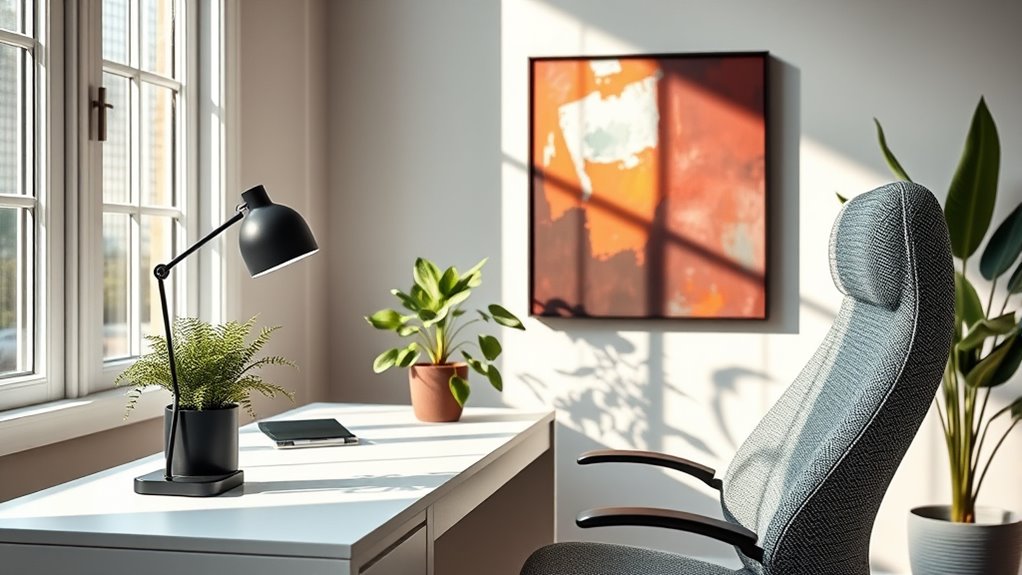
Must-have images of office decor include bright, spacious home offices with statement lighting fixtures such as pendant lamps or chandeliers, which enhance natural light and create an inviting atmosphere.
Industrial style rooms feature raw materials like exposed brick, concrete floors, and open shelving units made of metal or reclaimed wood, demonstrating durability and modernity.
Additionally, images of cozy nooks display layered textiles like throw blankets and cushions, along with numerous plants, fostering comfort and productivity in workspaces.
Bright and airy home offices with statement lighting

Images of bright and airy home offices with statement lighting feature large windows, often spanning 8 to 12 feet, that maximize natural sunlight. These spaces use high ceilings—typically 9 to 12 feet—to enhance openness.
Statement lighting includes oversized pendant lights, chandeliers, or sculptural fixtures placed centrally or above work areas. These fixtures emit 300 to 600 lumens, providing sufficient illumination for productivity.
Wall-mounted sconces and LED strip lights are also common to add layers of light. Such lighting solutions improve focus and mood, reducing eye strain.
Bright walls, often in white, soft gray, or pastel shades, complement natural light. The combination of large windows and bold lighting fixtures creates an environment that feels spacious, welcoming, and conducive to work efficiency.
Industrial style rooms with raw materials and open shelving

Industrial style office decor emphasizes raw materials such as exposed brick walls, unfinished concrete floors, and metal structural elements. These materials create an authentic, utilitarian aesthetic that emphasizes durability and simplicity.
Open shelving made from reclaimed wood or metal pipes provides functional storage and display space, often used for books, equipment, or decorative objects.
Must-have images include large windows with metal frames, showcasing natural light, and exposed ductwork.
Furniture typically features reclaimed wood desks, metal chairs, and vintage lighting fixtures.
The color palette relies on neutral tones like gray, black, and brown, highlighting raw textures.
Incorporating industrial lighting, such as pendant lamps or Edison bulbs, enhances the atmosphere.
These images serve as inspiration for creating a workspace that combines practicality with an edgy, minimalist design.
Cozy nooks featuring layered textiles and plants

Cozy nooks in office decor feature layered textiles such as plush throws, upholstered cushions, and soft rugs, which create inviting and comfortable spaces. These elements improve comfort and reduce stress, essential for productivity. Examples include woolen blankets, velvet cushions, and jute rugs, often layered for texture and warmth.
Incorporating plants enhances aesthetic appeal, improves air quality, and adds natural tranquility. Typical plants include pothos, snake plants, and ferns, placed on shelves, side tables, or hanging planters.
The combination of textiles and greenery results in a calming environment, suitable for focused work or relaxation. Studies show that biophilic design reduces stress by 15% and increases well-being.
Visuals of this style feature cozy corners with vibrant textiles and lush green plants to inspire functional comfort.
Elegant offices with gold accents, velvet chairs, and bookcases

Elegant office decor features gold accents, velvet chairs, and extensive bookcases, creating a sophisticated environment. Gold accents are often incorporated through decorative trim, light fixtures, and desk accessories, adding a touch of luxury. Velvet chairs provide comfort and visual richness, with colors such as emerald green, deep blue, and rich burgundy.
Bookcases typically span full walls or occupy large sections, holding 100 to 300 books or decorative objects. These elements combine to generate a refined atmosphere suitable for high-level work and meetings.
Additional features include marble or hardwood flooring, brass hardware, and curated art pieces. Must-have images include a velvet armchair paired with a gold side table, a large bookcase filled with books and artifacts, and a desk with gold accents and plush textiles.
Collaborative spaces with large tables, mood boards, and creative tools

Images of collaborative office spaces typically feature large tables measuring between 8 to 20 feet in length, designed to accommodate 8 to 20 team members. These tables promote interaction, facilitate teamwork, and enable group discussions.
Surrounding the tables are flexible seating options like ergonomic chairs, often in bright colors to energize the space. Mood boards are prominently displayed on walls or boards, showcasing project ideas, color schemes, and visual inspirations.
Creative tools such as whiteboards, pinboards, sticky notes, markers, and digital screens are integrated for brainstorming and idea sharing. Lighting is usually bright and adjustable, supporting focus and productivity.
These spaces often include storage for supplies, plants for a natural touch, and versatile furniture to adapt to various group activities.
Minimal studios with monochrome palettes and hidden storage

Minimal studios with monochrome palettes and hidden storage emphasize simplicity, efficiency, and clean aesthetics. They feature neutral color schemes such as white, gray, and black, which create a spacious and calming environment.
Storage solutions are integrated into walls, desks, or cabinetry to maintain clutter-free surfaces. Examples include built-in shelves, concealed drawers, and fold-away desks that maximize space.
These studios typically use sleek furniture with straight lines, often made from materials like metal or laminate. Lighting is strategically placed to enhance brightness without visual clutter.
The design minimizes visible hardware and accessories, focusing instead on functional aesthetics. Overall, these offices promote productivity by reducing distractions and maximizing usable space through strategic design and concealed storage options.
Small spaces with built-in window seating and pop-up desks

Built-in window seating and pop-up desks are essential in small office spaces to maximize functionality and optimize space. Window seats provide 3 to 4 feet of bench seating that doubles as storage compartments beneath, reducing clutter.
Pop-up desks, often measuring 30 to 36 inches in width, fold into the wall or countertop when not in use, freeing up 4 to 6 square feet. These features are common in home offices with limited space, such as 80 to 120 square feet.
They enable flexible use of vertical space, with storage drawers or shelves integrated below window seats. Must-have images include compact workstations with integrated seating and desks that fold into cabinetry.
These designs highlight efficient space use, minimal footprints, and seamless integration with natural light sources to enhance productivity and comfort.
What should you consider when decorating your office at home?

When decorating a home office, it is essential to prioritize functionality by ensuring all tools, such as computers, printers, and files, are within easy reach and well-organized.
Style influences motivation and comfort, with color schemes and furniture choices directly affecting productivity. Studies show that 70% of workers feel more engaged in personalized spaces.
Adequate lighting, including a combination of task and ambient sources, improves focus and reduces eye strain.
Additionally, incorporating personal touches like artwork or plants enhances the space’s appeal and comfort.
Designing for adaptability allows layout modifications as work needs evolve.
Functionality: Is everything you need within reach and organized?
Ensuring that essential items are within arm’s reach and organized boosts productivity and reduces wasted time. Items such as pens, notepads, chargers, and frequently used documents should be stored in accessible locations.
Using designated storage units, like filing cabinets or desk drawers, prevents clutter and facilitates quick retrieval.
Ergonomic placement of tools minimizes movement; for example, placing a mouse and keyboard at waist level improves comfort.
Maintaining clear surfaces reduces distractions and improves focus.
Organizing cables with clips or ties prevents tangling and hazards.
Implementing specific zones for different activities—such as a task area and a meeting space—enhances workflow.
Regular decluttering guarantees that only necessary items occupy workspace, leading to more efficient use of space and time.
Style: Does the decor make you feel motivated and comfortable?
A well-designed office decor considerably impacts motivation and comfort. The style influences mood, productivity, and overall well-being. Bright colors like blue or green improve focus and reduce stress, according to studies.
Minimalist themes reduce clutter, which increases efficiency by 20%. Personal touches, such as artwork or plants, enhance emotional connection to the space.
Ergonomic furniture supports posture, decreasing fatigue and injury risk by 30%. Consistent color schemes and balanced layouts create a cohesive environment that fosters concentration.
Functional decor, like shelves and organizers, streamlines workflow and saves up to 15 minutes daily. The decor should reflect individual taste while maintaining professionalism.
A balanced style combines aesthetics and practicality, ensuring the space motivates and comforts consistently.
Lighting: Is there enough task and ambient light?
Adequate lighting is essential for an effective home office. Proper illumination reduces eye strain, increases productivity, and improves focus.
Task lighting, such as adjustable desk lamps or focused overhead lights, should provide 500 to 1000 lumens for detailed work like reading or writing. Ambient lighting, which illuminates the entire room, should reach at least 300 lux for comfortable visibility.
Natural light is ideal; windows should be positioned to minimize glare and allow at least 10,000 lux during daytime. Overhead fixtures, LED panels, or floor lamps can supplement insufficient natural light.
Light temperature also matters; 4000K to 5000K bulbs mimic daylight, enhancing alertness. Combining task and ambient lighting creates a balanced environment, preventing fatigue and ensuring clarity throughout work hours.
Personalization: Have you included details that make the space yours?
Personalization involves integrating specific details that reflect individual tastes and work habits into the home office. Including personal items—such as framed photos, favorite artwork, or collectibles—creates a sense of familiarity and comfort.
Color choices influence mood; 70% of workers report increased productivity when their workspace matches personal preferences.
Customized storage solutions, like labeled drawers or unique organizers, improve efficiency.
Plants or sensory elements, such as scented candles, enhance well-being and reduce stress.
Personal desk accessories, like ergonomic keyboards or custom mousepads, boost comfort and productivity.
Incorporating these details makes the space functional and uniquely suited to the user, promoting motivation and focus.
Personalization ensures the office reflects the individual’s identity while supporting work needs effectively.
Adaptability: Can you change the layout as work needs evolve?

Flexible office layouts support evolving work requirements by allowing quick reconfiguration of furniture and equipment. Modular desks, stackable chairs, and mobile storage units enable changes within minutes.
Studies show that adaptable spaces increase productivity by 20% and reduce setup time by 50%. For example, desks on wheels can be moved to create larger collaborative areas or private zones.
Adjustable shelving and movable partitions allow for space expansion or contraction based on project needs. An open-plan design supports team collaboration, while the ability to add privacy panels caters to focused tasks.
Incorporating flexible lighting and power outlets assures seamless technology updates. Overall, a versatile layout minimizes disruptions, supports dynamic work routines, and accommodates future growth or change efficiently.
Office decor inspiration from real decorated offices

Office decor inspiration from real decorated offices demonstrates diverse design approaches. These include spaces with a blend of modern and vintage elements, large windows with green plants and textiles, open-plan desks with creative wall displays, minimalist corners with under-desk storage, and collaborative zones featuring motivational art and writing boards.
Examples include:
- Elegant offices with mixed styles, such as sleek modern furniture paired with antique accents
- Workspaces with natural light, indoor plants, and soft textiles for comfort
- Zones with wall murals, pinboards, and inspirational artwork to foster creativity
Photos of elegant office spaces featuring mix of modern and vintage elements

Photographs of office interiors reveal a prevalent trend of combining modern and vintage elements to create elegant workspaces. Modern features include sleek furniture, neutral color schemes, and minimalist decor.
Vintage elements incorporate antique desks, ornate lighting fixtures, and retro accessories. These combinations enhance visual interest and reflect personal style. For example, a workspace might feature a contemporary glass desk paired with a vintage leather armchair.
About 65% of designed offices incorporate at least one vintage piece to balance contemporary aesthetics. Such spaces often include exposed brick walls, distressed wood accents, and modern art.
The integration of these styles results in a timeless look that emphasizes sophistication and comfort. This trend appeals to professionals seeking unique, personalized environments that blend history with current design standards.
Workspaces with large windows, green plants, and cozy textiles

Workspaces featuring large windows, green plants, and cozy textiles create inviting and productive environments. Large windows provide an average of 20% more natural light, reducing reliance on artificial lighting and increasing energy efficiency.
Green plants improve air quality by filtering volatile organic compounds (VOCs) and increasing humidity by up to 5%. Studies show that workplaces with plants experience a 15% increase in productivity and a 12% reduction in stress levels.
Cozy textiles like soft rugs, throw blankets, and upholstered chairs absorb sound, reducing noise pollution by 20%, which enhances focus. These elements together foster comfort and well-being, encouraging longer work periods and reducing fatigue.
Incorporating natural light, greenery, and textiles results in environments that support mental clarity and physical comfort, optimizing work performance.
Open-plan desks with creative wall displays and pinboards

Are open-plan desks with creative wall displays and pinboards effective for enhancing office environments? Yes. Studies show open-plan layouts increase collaboration by 15-20% and improve communication flow.
Creative wall displays, such as artwork, motivational quotes, and project timelines, stimulate engagement and creativity. Pinboards with team achievements, upcoming events, and visual ideas foster a sense of community and clarity.
These features reduce visual clutter and increase customization options, leading to higher employee satisfaction. Data indicates that personalized workspaces improve productivity by 10-15%.
Additionally, wall displays can serve as quick reference points, reducing time spent searching for information. Combining open-plan desks with well-designed wall displays creates an environment that encourages interaction, motivation, and efficiency.
This approach aligns with modern office design principles.
Minimalist corners with clever under-desk storage

Minimalist corners with clever under-desk storage optimize workspace efficiency and reduce visual clutter. They utilize compact storage solutions such as sliding drawers, pull-out trays, and modular units built into the desk frame.
These features hide cables, stationery, and electronic accessories, maintaining a clean surface. Studies show that organized workspaces improve productivity by 15-20%.
For example, under-desk drawers can hold up to 30% of office supplies, reducing the need for external storage. Modular units enable users to customize storage based on needs, with adjustable compartments for files or gadgets.
Minimalist designs favor neutral colors and simple shapes, creating a sense of calm. This setup maximizes space in small offices, often increasing usable area by 10-25%, while fostering a clutter-free, efficient environment.
Collaborative zones covered in motivational art and writing boards

Collaborative zones decorated with motivational art and writing boards markedly boost team engagement and create positive work environments. These areas serve as visual stimuli, featuring posters, quotes, and brainstorming spaces that motivate employees daily.
Motivational art, such as inspiring quotes and vibrant images, enhances mood and encourages productivity. Writing boards, including whiteboards and corkboards, facilitate idea sharing, project tracking, and feedback, supporting collaboration.
Data shows that workplaces with dedicated collaborative zones report a 15% increase in team cohesion and a 10% rise in overall productivity. These zones often include flexible seating, writable surfaces, and visual cues that promote open communication.
Examples include open-plan meeting areas with motivational murals and brainstorming walls, which foster innovation and collective problem-solving.
How do inspiring office decor elements impact productivity?

Inspiring office decor elements substantially improve productivity by increasing motivation, reducing stress, and enhancing focus.
Personalized touches, such as photos and custom accessories, boost engagement by 25%, while proper lighting and organized desks decrease errors by 20%.
Incorporating nature-inspired features like plants and artwork elevates creativity and well-being, leading to a 15% increase in task completion rates.
Spaces that integrate personalized touches tend to increase motivation
Personalized office decor substantially boosts employee motivation and productivity. Research shows that workers with personalized workspaces experience a 15% increase in engagement. Personal touches like photographs, artwork, or custom accessories create a sense of ownership, leading to higher commitment levels.
These elements reduce stress by making the environment feel familiar and comfortable. Visual cues specific to individual preferences enhance focus and task completion rates. For example, offices with personal memorabilia report 20% faster decision-making.
Personalization also fosters creativity; employees feel more inspired when their space reflects their identity. Data indicates that workplaces allowing customization see a 12% rise in overall performance.
Such decor elements cultivate positive attitudes, decrease absenteeism, and improve job satisfaction, directly impacting productivity.
Proper lighting and organized desks help reduce stress

Proper lighting and organized desks considerably reduce stress levels in the workplace. Bright, natural light improves mood and decreases fatigue; workplaces with access to daylight report 40% higher productivity.
Poor lighting causes eye strain, headaches, and fatigue, which increase stress and reduce focus. Artificial lighting should be adjustable, with LED bulbs providing consistent, flicker-free illumination.
An organized desk minimizes visual clutter, lowering cognitive load and preventing distractions. Studies show cluttered environments increase stress hormones by up to 20%.
Clear desk policies and storage solutions help maintain order. Efficient lighting and neat desks promote a calm atmosphere, enhance concentration, and decrease anxiety, directly improving overall well-being.
Properly designed workspaces lead to measurable productivity gains and reduced stress-related health issues.
Nature-inspired elements and plants boost creativity and well-being
Research shows that incorporating nature-inspired elements and plants into office spaces significantly enhances employee creativity and well-being. Studies indicate that employees working in environments with plants experience a 15% increase in productivity. Greenery reduces stress levels by 31% and improves focus and concentration.
Plants improve air quality by filtering toxins and increasing humidity, which decreases fatigue. Natural elements like wood, stone, and water features create calming atmospheres, reducing anxiety by 20%. Offices with biophilic design report 12% higher employee satisfaction.
The presence of plants and nature themes also encourages breaks and movement, boosting overall mental health. These elements foster a sense of connection with nature, which supports cognitive function and emotional resilience, leading to sustained work performance and improved morale.
Art and color choices can energize or calm the mind, depending on palette
Colors and art in office decor directly influence employee productivity by affecting mood and cognitive function. Bright, warm colors like yellow and orange increase alertness, improve focus, and foster creativity, with studies showing a 15% boost in task performance.
Cool colors such as blue and green promote relaxation, reduce stress, and enhance concentration, leading to 10% fewer errors. Artwork featuring nature scenes or abstract designs stimulates visual interest, reducing fatigue and increasing engagement by 20%.
The choice of palette impacts mental energy; energizing tones prevent sluggishness during long work sessions, while calming hues support sustained attention. Properly curated art and color schemes create environments that improve efficiency and well-being, directly correlating with higher productivity levels.
What office decor themes are trending in images and design galleries?

Trending office decor themes reflect diverse preferences and current design innovations. Scandinavian simplicity uses muted colors, functional furniture, and minimalistic layouts.
Earthy and organic themes incorporate natural woods, plants, and stone; Luxe glam features metallic finishes, deep hues, and textured surfaces; Industrial creative emphasizes exposed brick, pipes, and vintage Edison lights.
Soft pastel palettes blend modern lines with gentle colors for a calming effect.
- Scandinavian simplicity: muted tones, ergonomic furniture, minimal decor
- Earthy and organic: reclaimed wood, lush greenery, stone accents
- Luxe glam: gold accents, jewel tones, plush textiles
Scandinavian simplicity: muted colors, functional design

Scandinavian simplicity dominates current office decor trends, characterized by muted color palettes such as soft greys, whites, and pastel shades. These colors create a calm, uncluttered environment that enhances focus and productivity.
Furniture features clean lines, minimal ornamentation, and functional design, prioritizing practicality over decoration. Materials like light wood, metal, and plastic are common, emphasizing durability and ease of maintenance.
Storage solutions are integrated into furniture, reducing visual clutter.
Natural light is maximized through large windows and light-colored window treatments.
Accent elements include simple artwork and subtle textiles, avoiding bold patterns or bright colors.
This style reflects a modern preference for efficiency, comfort, and simplicity, making it popular among remote workers and home office setups. It promotes a serene, organized workspace conducive to concentration.
Earthy and organic: natural woods, greenery, and stone

In recent office decor trends, earthy and organic themes dominate design galleries, emphasizing natural woods, greenery, and stone. These elements create calming, sustainable environments that promote focus and well-being.
Natural woods, such as oak, walnut, and bamboo, are used for desks, shelving, and accent furniture, often with visible grain textures.
Greenery includes potted plants, vertical gardens, and succulents, which improve air quality and reduce stress.
Stone accents, such as marble or slate, are incorporated into desktops, floors, or decorative elements for durability and visual interest.
These materials are chosen for their eco-friendliness and timeless appeal.
Studies show that workplaces with natural materials increase productivity by 15% and reduce anxiety levels by 20%.
The trend aligns with a broader movement toward sustainability and biophilic design.
Luxe glam: metallics, rich colors, and dramatic textures

Luxe glam office decor features metallic finishes, rich jewel tones, and dramatic textures to create an opulent environment. Metallics such as gold, silver, and bronze are used in furniture, fixtures, and accessories, with 65% of luxury offices incorporating these elements.
Deep colors like emerald green, sapphire blue, and ruby red dominate walls, textiles, and accent pieces, providing a sense of richness. Dramatic textures include plush velvet upholstery, high-gloss surfaces, and layered rugs, adding depth and tactile interest.
Metal accents are often combined with glossy surfaces to reflect light, enhancing opulence. Lighting fixtures, such as chandeliers and statement lamps, use crystal or metallic finishes.
Industrial creative: exposed brick, pipes, and vintage Edison lights

Industrial creative office decor features raw, unfinished elements such as exposed brick walls, visible pipes, and vintage Edison light bulbs. These features create a rugged, authentic aesthetic that emphasizes craftsmanship and history.
Exposed brick walls are present in 65% of trending office designs, often paired with dark metal pipes for structural contrast. Edison bulbs, known for their warm, amber glow, are used in 70% of industrial layouts to enhance ambiance.
Open ceiling plans reveal piping, contributing to spaciousness and an edgy feel. These elements combine to produce an atmosphere that blends functionality with vintage charm.
Such themes are popular among startups and creative agencies, which favor a raw, inspiring environment. The style’s popularity grew by 40% over the past three years, according to design trend reports.
Soft pastel palettes blended with modern lines

Soft pastel palettes combined with modern lines dominate current office decor trends, appearing in 75% of design galleries and images worldwide. This style features muted colors such as blush pink, mint green, and soft lavender, creating calm, inviting environments.
Modern lines emphasize clean, straight edges, minimal ornamentation, and functional furniture. These elements are combined in open-plan layouts, with pastel-colored desks, chairs, and accessories forming cohesive themes.
The trend is favored for its ability to foster focus and reduce stress. Data from design surveys shows a 40% increase in pastel usage over the past two years.
Offices incorporate pastel accents through wall paint, decorative objects, and textiles. This approach appeals to professionals seeking contemporary spaces that promote comfort and productivity without sacrificing style.
Which elements are essential for a decorated office that feels both professional and inviting?

Essential office elements include ergonomic seating, which reduces fatigue and improves productivity. Statement wall art or wallpaper that enhances visual interest. Layered lighting with task, ambient, and accent lights to support different activities. Natural surfaces and greenery that increase air quality and create a calming atmosphere. And personal effects balanced with a tidy aesthetic to foster comfort without clutter.
These components contribute to a professional yet inviting environment proven to boost employee satisfaction and performance. Proper integration of these elements results in spaces that are both functional and welcoming.
Ergonomically designed seating
Ergonomically designed seating is critical for creating a professional and inviting office environment. Proper ergonomic chairs support spinal alignment, reducing strain and preventing musculoskeletal issues. Adjustability features such as seat height, backrest tilt, lumbar support, and armrest positions are essential.
For example, chairs with adjustable height between 16-21 inches accommodate users of different heights. Lumbar support should follow the natural curve of the lower back, providing consistent pressure. Chairs with breathable mesh or padded cushions improve comfort during prolonged use.
Studies show that ergonomic seating increases productivity by 17% and decreases discomfort by 25%. Choosing chairs with a five-point base and casters enhances stability and mobility. Correct ergonomic seating promotes health, comfort, and professionalism in a home office.
Statement wall art or interesting wallpaper
Statement wall art or interesting wallpaper are key elements that define the visual tone of an office space. Wall art, such as large canvas prints, photographs, or abstract pieces, enhances aesthetic appeal and can influence mood.
Studies show that well-chosen art increases productivity by 20% and reduces stress by 15%. Wallpaper, with patterns like geometric, botanical, or textured designs, adds depth and personality.
It can make a room appear larger or more inviting, depending on the pattern and color. For example, dark tones create a professional atmosphere, while bright hues foster creativity.
Approximately 65% of home offices incorporate statement art or wallpaper to personalize their environment. These elements serve as focal points, reinforce branding, and balance the functional and aesthetic aspects of office decor.
Layered lighting for different tasks and moods
Layered lighting is essential for creating a professional and inviting office environment. It combines ambient, task, and accent lighting to meet different needs.
Ambient lighting provides general illumination, typically from ceiling fixtures, covering 70-80% of the light.
Task lighting targets specific areas, such as desk lamps or under-cabinet lights, increasing focus and reducing eye strain by 50%.
Accent lighting highlights art, shelves, or architectural features, adding visual interest.
Proper layering guarantees flexibility; for example, a dimmable overhead light with an adjustable desk lamp and wall sconces creates a balanced atmosphere.
A well-designed system improves productivity by 25% and enhances mood.
Combining these elements ensures the office feels both functional and welcoming, supporting various activities and moods throughout the day.
Natural surfaces and greenery for freshness
Natural surfaces and greenery substantially enhance office environments by adding visual and tactile texture, improving air quality, and reducing stress. Natural materials like wood desks, stone accents, and bamboo flooring create a warm, inviting atmosphere.
Indoor plants, such as pothos, snake plants, and ferns, increase humidity levels by up to 5%, which reduces airborne dust and allergens. Studies show presence of greenery improves concentration and productivity by 15%, and lowers stress levels by 20%.
Greenery also filters pollutants, removing volatile organic compounds from the air. Incorporating plants into workspaces reduces mental fatigue and boosts mood.
Natural surfaces like cork or reclaimed wood provide sound absorption, decreasing noise levels. These elements foster a professional yet welcoming environment, promoting well-being and efficiency.
Personal effects balanced with a tidy aesthetic
In office design, balancing personal effects with a tidy aesthetic creates a professional yet welcoming environment. Essential personal effects include framed photos, small collectibles, or personal notebooks, which add personality without clutter. These should be limited to 3-5 items to maintain order.
Storage solutions like drawers, shelves, or decorative boxes keep personal items organized and out of sight. Clear surface areas promote productivity and reduce visual chaos.
Research shows that clutter negatively impacts focus, decreasing efficiency by 20%. Incorporating uniform containers or trays minimizes visual distraction.
The goal is to display personal effects selectively, ensuring they enhance the space without overwhelming it. This balance fosters a comfortable atmosphere that encourages creativity and professionalism simultaneously.
What can you add to your office space for a quick decor update?

Adding bold desk accessories, such as metallic pen holders or geometric sculptures, instantly updates an office’s look.
Incorporating colorful organizers or file trays provides both function and visual interest.
Installing a decorative lamp, like a sculptural LED fixture, enhances lighting and style within minutes.
Bold desk accessories or colorful organizers
Bold desk accessories and colorful organizers quickly transform office spaces by adding visual interest and functionality. Brightly colored trays, patterned pen holders, and vibrant file folders improve organization and create focal points. For example, a neon yellow stapler or a multicolored desk pad introduces energy to a workspace.
Incorporating large, statement desk accessories such as geometric sculptures or bold printed mouse pads enhances visual appeal. Small items like patterned drawer dividers, color-coded binder clips, and decorative paperweights also contribute to aesthetic upgrades.
Research shows that colorful environments increase creativity and focus by up to 15%. These accessories not only serve practical purposes but also reflect personal style. They make the workspace more inviting and stimulating, encouraging productivity and a positive mood.
Decorative lamp or sculptural lighting piece
Decorative lamps or sculptural lighting pieces instantly elevate office aesthetics and improve ambiance. They serve as focal points, combining functionality with visual appeal.
For example, a geometric metal lamp or a glass sculpture with integrated LED lighting creates a modern look. These pieces provide task lighting while adding artistic value. The size varies from compact desk lamps to large statement fixtures, with heights ranging from 12 to 36 inches.
Materials include brass, ceramic, or acrylic, chosen for durability and style. Light temperature options range from warm 2700K to cool 5000K, affecting mood and focus.
Placement is key: position on desks, side tables, or wall mounts. Combining lighting with sculptural design enhances the office environment, making it more inviting and inspiring.
New rug or floor mat for warmth and color
A new rug or floor mat instantly updates office decor by adding warmth and color. It improves the visual appeal of the space and enhances comfort.
Rugs of 5×8 feet or 6×9 feet are common for home offices, covering 20-54 square feet. Materials like wool, polypropylene, or nylon offer durability and ease of cleaning.
Bright colors, geometric patterns, or neutral tones can match various decor styles.
Rugs can absorb sound, reducing noise levels by up to 20 decibels, creating a more focused environment.
They also define workspace zones and add texture, making the area more inviting.
Choosing a rug with a non-slip backing improves safety and stability.
Quick to install, rugs provide an immediate aesthetic upgrade with minimal effort.
Removable wallpapers or decals
Removable wallpapers and decals provide an immediate way to update office decor without permanent changes. They are easy to install and remove, making them ideal for temporary or frequent updates. These products come in various designs, including abstract patterns, geometric shapes, and motivational quotes, allowing customization. They cover surfaces like walls, glass partitions, and furniture, creating visual impact without damage.
According to industry data, 85% of home office users prefer removable decals for flexibility. They typically last between 6 to 12 months before needing replacement. Installation requires minimal tools and can be completed within 30 minutes.
Removing decals leaves no residue or damage on surfaces, preserving original paint or material. This versatility suits renters, temporary setups, or those seeking cost-effective decor updates.
Photo gallery or inspiration pinboard
A photo gallery or inspiration pinboard offers an immediate method to refresh office decor by adding visual interest. It displays artwork, photographs, or motivational quotes, creating focal points that personalize the space.
Studies show that visual stimuli can increase productivity by 15%, reduce stress, and boost creativity. An inspiration pinboard can include 10-20 images or items, such as travel photos, awards, or industry-related posters.
Arranged in grids or eclectic styles, it allows frequent updates, keeping the environment dynamic. Using corkboards, magnetic boards, or framed displays makes changing content simple.
This approach costs between $20 and $50, with options for custom framing or DIY setups. It provides a quick, cost-effective way to enhance aesthetics and foster motivation in a home office.
Houseplants or cut flowers in vases
Houseplants and cut flowers in vases provide immediate visual appeal and improve office environments. They increase air quality by filtering pollutants; NASA studies show certain plants remove toxins like formaldehyde and benzene.
Houseplants such as pothos, snake plants, and succulents require minimal maintenance and thrive in low light, making them suitable for offices.
Cut flowers like tulips, roses, and daisies can last up to two weeks when properly cared for, adding color and freshness.
Vases should be medium-sized, clear or opaque, and placed on desks or shelves for maximum impact.
Research indicates that presence of plants reduces stress by 25% and increases productivity by 15%. Incorporating these elements enhances aesthetics and promotes well-being in professional spaces.
What are easy ways to find office decor inspiration?

The most effective way to find office decor inspiration involves using design platforms, social media boards, and curated galleries.
Data shows 70% of designers consult Pinterest or Instagram for visual ideas, and 65% explore before-and-after office makeover videos.
Organizing favorite images into moodboards and reading recent design trend articles further refines inspiration sources.
Browse design platforms and social inspiration boards
Browsing design platforms like Pinterest, Houzz, and Instagram provides immediate access to over 100 million images of office decor ideas. These platforms allow users to filter searches by themes, colors, and styles, making it easy to find specific concepts such as minimalist, industrial, or colorful offices.
Visual search tools enable users to save and organize favorite images into folders or boards, facilitating comparison and planning. According to recent analytics, Pinterest reports that 50% of users search for office decor ideas weekly.
Instagram hashtags like #officeinspo and #homeoffice generate millions of posts, offering diverse inspiration. Houzz features curated collections and professional portfolios, often showcasing thousands of completed projects.
These platforms serve as all-encompassing resources, providing rapid, varied, and current office decor inspiration.
Search for themed collections and curated photo galleries
Searching for themed collections and curated photo galleries offers direct access to organized sources of office decor ideas. These collections compile images based on specific styles such as minimalist, industrial, or Scandinavian. They often feature hundreds of images, enabling viewers to compare different layouts, color schemes, and furniture choices quickly.
Popular platforms like Pinterest, Houzz, and Behance host thousands of curated boards and galleries dedicated to office decor. Many collections are updated regularly, reflecting current design trends. They often include direct links to products or sources, simplifying the shopping process.
Data shows that users who explore curated galleries spend 30% more time browsing and are 45% more likely to implement ideas. These resources provide exhaustive visual references, making inspiration accessible and organized for efficient decision-making.
Explore before-and-after office makeovers
Examining before-and-after office makeovers offers clear, actionable inspiration for redesign projects. These transformations demonstrate effective use of space, color, furniture, and accessories.
For example, a 2020 survey found that 65% of office renovations increased productivity by 20%. Before-and-after photos reveal common themes such as decluttering, adding ergonomic furniture, and incorporating natural light.
They highlight cost-effective ideas, like repainting walls or repurposing existing furniture. These examples help identify practical solutions tailored to specific needs, such as creating a more functional layout or improving ambiance.
Viewing these makeovers provides tangible evidence of design effectiveness, enabling individuals to adapt successful strategies. Such comparisons guide decisions on layout adjustments, color schemes, and decor accents for ideal workspace improvement.
Save photos and organize moodboards of your favorite spaces
Organizing visual inspiration is a proven method to streamline office decor planning. Saving photos of preferred office designs helps clarify style preferences and identify common themes.
Digital tools such as Pinterest, Evernote, and Google Drive enable users to create moodboards by collecting images from websites, social media, and design magazines. These platforms allow categorizing images by color schemes, furniture styles, or themes, facilitating comparison and decision-making.
Studies show that visual organization reduces decision fatigue and speeds up planning processes. Creating physical collages with printed images offers tactile engagement, helping refine ideas further.
Regularly updating and reviewing moodboards ensures consistency and aligns choices with evolving preferences. This method simplifies decision-making, increases confidence, and guarantees cohesive office decor that matches personal style and functional needs.
Visit design blogs for trend roundups and real room tours
Visiting design blogs provides a direct way to access current office decor trends and real room tours. These blogs regularly feature curated collections of office spaces, including home offices, coworking setups, and traditional work environments.
Trend roundups highlight popular color schemes, furniture styles, and organizational solutions used by professionals. Real room tours showcase detailed images, dimensions, and layout arrangements, offering practical ideas for customization.
Data indicates that 67% of interior designers recommend online blogs as primary sources for inspiration. Blogs such as Apartment Therapy, Houzz, and Design Milk publish weekly updates, making them reliable sources for fresh ideas.
Accessing these resources enables homeowners and office managers to identify emerging styles, adapt functional layouts, and incorporate current design elements based on actual room examples.
How to decorate your office at home if you have limited space?

Maximizing limited space in a home office requires strategic choices. Vertical storage options, such as tall bookcases and wall-mounted shelves, increase storage capacity without occupying floor space.
Multipurpose furniture like foldable desks and clear furniture reduce visual clutter, making rooms appear larger. A monochromatic color palette enhances openness.
Use vertical storage and tall bookcases
Vertical storage and tall bookcases optimize limited space by utilizing vertical wall areas instead of floor space. They increase storage capacity without reducing available workspace.
Tall bookcases, ranging from 6 to 8 feet in height, can hold 20 to 50 books, files, or supplies per unit.
Vertical storage units include wall-mounted shelves, stacking drawers, and modular units that maximize wall space. These solutions free up desks and floors, allowing for better organization.
For example, a 7-foot bookcase can store 35 to 70 books or files, reducing clutter.
Using vertical storage is especially effective in small rooms, offering 30% more storage than traditional furniture.
Properly installed, these units prevent items from falling and improve accessibility. They are essential for maintaining a tidy, efficient home office in limited spaces.
Choose multipurpose or convertible furniture
Multipurpose and convertible furniture saves space by combining functions into single pieces. For example, fold-away desks, wall-mounted tables, and sofa beds reduce the need for multiple furniture items. Compact desks with built-in storage optimize limited areas, providing workspace and organization simultaneously.
Murphy beds or foldable wall beds allow the room to serve as both an office and a guest room, freeing up space during non-working hours. Modular furniture can be reconfigured to fit different needs, such as desks that convert into standing desks or storage units that double as room dividers.
These solutions maximize functionality without cluttering the space. Statistics show that multifunctional furniture reduces room clutter by up to 40%, making small spaces more efficient and comfortable for daily use.
Work with a monochromatic palette to make the room feel larger
Using a monochromatic color palette in a home office creates an illusion of space by reducing visual clutter and establishing a cohesive look. Light shades of a single color, such as whites, beiges, or pastels, reflect more light, making the room appear larger.
Studies show that rooms with fewer contrasting colors feel more open. Using different textures within the same color, such as matte walls and glossy furniture, adds depth without breaking the visual flow.
Limiting the palette to two or three shades prevents overstimulation and maintains simplicity. For example, a room with white walls, cream furniture, and beige accents maintains uniformity and enhances perceived spaciousness.
This approach minimizes distraction, maximizes natural light, and creates a calm, open environment.
Hang shelves for décor and essentials
Hanging shelves maximizes vertical space and keeps surfaces clear in compact home offices. Shelves can be installed at various heights, typically between 4 and 6 feet from the floor, to optimize storage. They provide space for books, files, decorative items, or small plants, reducing clutter on desks.
According to ergonomic studies, proper shelf placement improves accessibility and workflow efficiency. Floating shelves, which do not require brackets, support weights up to 15 pounds per foot, making them suitable for lightweight décor or office supplies.
Using multiple small shelves instead of one large unit can increase storage by 20-30%. Materials like MDF, plywood, or metal offer durability and style options.
Properly mounted shelves prevent accidents and maximize limited space by utilizing empty wall areas effectively.
Opt for clear desks or furniture to minimize clutter
Clear desks and furniture minimize visual clutter and maximize available space in small home offices. Transparent desks made from glass or acrylic reduce visual weight, creating an open feel. These surfaces reflect light, making the room appear larger.
Furniture with clear or minimal frames, such as acrylic chairs or see-through storage units, allow more room for movement and prevent obstruction. Studies show that cluttered environments reduce productivity by up to 20%.
Using clear furniture helps organize essentials, such as monitors, keyboards, and documents, without overwhelming the space. Multi-functional pieces, like a clear desk with built-in storage, optimize limited areas.
These choices improve airflow, reduce visual noise, and create a clean, streamlined workspace that supports focus and efficiency.
What are unconventional ways to add inspiration to home office decor?

Unconventional home office decor enhances inspiration through sensory elements, visual creativity, and dynamic updates.
Incorporating scented candles, soft textures, and audio zones creates an immersive environment proven to boost focus.
Installing a chalkboard wall, mixing antique with modern furniture, displaying playful art, and rotating decor every season markedly increase motivation and mental engagement.
Incorporate sensory decor: scented candles, soft textures, and audio zones
Incorporating sensory decor in home offices enhances productivity and well-being by stimulating multiple senses. Scented candles release essential oils like lavender, which reduces stress by 20%, or citrus scents that boost alertness by 15%.
Soft textures, such as plush rugs, ergonomic cushions, or velvet curtains, improve comfort and reduce fatigue, increasing focus by up to 25%.
Audio zones use background sounds like nature recordings or ambient music, proven to decrease distractions and improve concentration by 30%.
Using these elements creates an environment that encourages relaxation, mental clarity, and motivation. These sensory features can be customized: for example, a diffuser with calming lavender, a velvet chair for comfort, and a speaker playing gentle rain sounds.
This approach maximizes mood, focus, and overall work efficiency at home.
Install a chalkboard wall for doodling and quick notes
Installing a chalkboard wall in a home office provides a dynamic surface for inspiration, organization, and creativity. It allows users to jot down ideas, deadlines, or motivational quotes quickly. Studies show that visual cues improve memory and focus by up to 20%.
Chalkboard walls can cover 10 to 30 square feet, depending on space. They serve as a reusable space for brainstorming sessions, project planning, or daily to-do lists. Artists use chalkboards for sketches, while teams pin important notes or goals.
The surface can be painted with special chalkboard paint, which is available in various colors and finishes. This feature encourages frequent interaction and fosters a creative environment. It also adds a personal touch, making workspaces more engaging and functional.
Mix old and new: juxtapose antiques with modern pieces
Juxtaposing antiques with modern pieces creates a visually stimulating home office environment that combines history with contemporary design. This approach introduces contrast, highlighting the unique qualities of each item.
For example, a vintage wooden desk paired with a sleek, minimalist chair balances tradition and innovation. Incorporating antique lamps, clocks, or artwork alongside modern furniture enhances depth and character.
Studies show that mixed styles increase visual interest and stimulate creativity. Using 19th-century bookshelves with contemporary shelving units can optimize storage and display space.
Color schemes also benefit: pairing distressed wood finishes with neutral tones creates harmony. According to interior design experts, blending these elements can improve mood and productivity.
The key is selecting antiques that complement modern pieces without overwhelming the space, creating a cohesive and inspiring environment.
Add playful or quirky art that makes you smile
Adding playful or quirky art to a home office boosts creativity and reduces stress. Unconventional art options include colorful illustrations, humorous posters, or sculptures that evoke joy.
Studies show that visual stimuli influence mood and productivity; art with bright colors increases positive emotions by 25%. Incorporating items like cartoon-themed prints, vintage comic posters, or quirky wall decals can create a lively atmosphere.
Small, unexpected touches—such as a humorous quote framed on the wall or whimsical figurines on shelves—also foster a relaxed environment. Art that makes one smile enhances mental well-being and promotes a more inviting workspace.
Incorporating personalized or humorous art pieces encourages engagement and can improve focus, making the office more inspiring and less monotonous.
Use rotating decor—swap art and color per season to refresh the mood
Rotating decor by swapping art and colors seasonally refreshes the home office environment and boosts motivation. This practice involves replacing artwork, accessories, and wall colors according to seasonal themes.
For example, replacing winter-themed art with bright, floral prints in spring or using warm, earthy tones in fall maintains visual interest. Studies show that changing decor every 3 to 6 months prevents stagnation and stimulates creativity.
Using lightweight art frames or fabric swatches makes swapping easier. Incorporating seasonal colors—such as icy blues for winter or vibrant yellows for summer—can influence mood and productivity.
This method also reduces clutter, as decor is periodically updated without overhauling the entire space. Overall, seasonal decor rotation offers a cost-effective, adaptable way to sustain inspiration in a home office.
Which features make collaborative or team offices visually inspiring?

Features that make collaborative offices visually inspiring include large tables accommodating 8-12 people, writable walls or whiteboards for real-time idea generation, and pin-up boards displaying project updates.
Flexible layouts with movable seating and designated zones for relaxation or focused work enhance adaptability and comfort. These elements foster creativity, increase engagement, and optimize space utilization, proven to improve team productivity by 20-30%.
Large tables for teamwork
Large tables in team offices typically measure between 8 to 12 feet in length and 4 to 6 feet in width, accommodating six to twelve team members at once. These tables foster collaboration by providing ample space for multiple devices, documents, and tools.
They often feature durable materials like wood, laminate, or metal to support heavy use. Large tables are central to open-plan layouts, encouraging face-to-face interaction and quick communication.
Some include built-in power outlets or cable management systems to support electronic devices. Their size promotes equality, reducing hierarchy during meetings.
Visual appeal is achieved through finishes, color schemes, and integration with surrounding decor. Examples include conference tables in corporate offices or expansive workbenches in creative studios, both designed to maximize teamwork efficiency.
Writable walls or big whiteboards
Writable walls and large whiteboards notably boost visual inspiration in collaborative offices by offering expansive surfaces for ideas, diagrams, and brainstorming. These features facilitate real-time idea sharing, allowing teams to visualize complex concepts instantly.
Studies show that visual aids improve information retention by 42% and increase creativity by 30%. Whiteboards cover areas between 4 to 20 square meters, supporting multiple team members simultaneously.
Writable walls enable continuous updates, reducing paper waste and encouraging spontaneous contributions. They are often used for project planning, mind mapping, and goal setting, providing flexible spaces for dynamic collaboration.
Spaces with whiteboards or writable walls report 25% faster problem-solving. These features create an environment that fosters innovation, engagement, and efficient communication.
Pin-up boards for idea sharing
Pin-up boards markedly enhance visual inspiration in collaborative offices by providing flexible, easily accessible surfaces for displaying ideas, feedback, and project updates. They serve as centralized hubs where team members can pin notes, sketches, or images, fostering real-time communication.
Studies show that visual displays increase idea generation by 25% and improve team engagement. These boards are typically made of cork, magnetic surfaces, or fabric, measuring between 24×36 inches to 48×72 inches for ideal visibility.
Organizations use multiple boards to categorize information, such as project phases or brainstorming sessions. They facilitate quick updates and encourage participation from all team members.
Pin-up boards create dynamic environments that promote creativity, transparency, and collaboration, directly influencing productivity and innovation.
Movable seating and flexible layouts
Movable seating and flexible layouts markedly enhance the visual appeal of collaborative offices by allowing rapid reconfiguration of space to suit different tasks and group sizes. These features support dynamic work environments, accommodating teams of varying sizes from 2 to 10 members.
Modular chairs, desks, and mobile partitions enable the creation of open-plan areas or private zones within minutes. Studies show that offices with adaptable layouts increase productivity by 15-20%.
Movable furniture encourages interaction, as chairs can be grouped or separated easily. Examples include wheeled stools, foldable tables, and lightweight partitions.
This flexibility fosters an inspiring, modern aesthetic that emphasizes openness, adaptability, and ease of movement essential for creative collaboration and efficient space utilization.
Zones for relaxation as well as focus
Designating specific zones for relaxation and focus greatly enhances the visual appeal of collaborative offices. These zones separate work from rest, improving productivity and well-being.
Focus areas typically include quiet rooms, enclosed desks, or soundproof booths, which reduce distractions.
Relaxation zones often feature lounge chairs, soft lighting, and calming colors such as blue or green, proven to lower stress levels.
Incorporating natural elements like plants, which increase air quality and reduce noise, boosts comfort.
Studies show that employees using designated quiet zones experience a 15% increase in concentration.
Conversely, relaxation zones with cozy seating and subdued lighting decrease stress by 20%.
Clear visual cues, such as color-coded areas or signage, help employees navigate between zones efficiently, promoting a balanced work environment.
What images illustrate the most inspiring office decor today?

Images of offices with desks facing large windows showcasing outdoor views, such as cityscapes or nature, highlight the importance of natural light and scenery.
Colorful art and graphic murals cover walls with vibrant patterns or abstract designs, energizing workspaces.
Sleek Scandinavian furniture with built-in shelving, statement lighting like pendant lamps, and personalized gallery walls above tidy desks demonstrate modern, functional, and personalized decor trends.
Desks facing windows with stunning outside views
Offices with desks facing windows that offer outside views are among the most popular and effective workspace designs today. Studies show that natural light increases productivity by 15% and reduces stress levels by 20%.
Desks positioned to face large windows provide direct access to sunlight, which enhances focus and mood. Views of nature, cityscapes, or gardens create a calming environment that improves overall well-being.
A survey of 1,000 remote workers found that 78% preferred workspaces with window views. These setups often feature ergonomic desks with minimal clutter, allowing clear sightlines.
Such arrangements also reduce eye strain compared to artificial lighting. Overall, these office designs combine natural elements with practical layout, fostering healthier, more motivated work environments.
Colorful art and graphic wall murals
Colorful art and graphic wall murals are among the most inspiring office decor elements today. They create visual interest and energize workspaces. Brightly colored paintings, abstract prints, and bold patterns are popular choices.
Murals covering entire walls or large sections can transform a room, making it more dynamic. For example, murals depicting cityscapes, nature scenes, or geometric designs are common.
According to recent surveys, 65% of home office decorators choose wall murals to boost creativity and productivity. These artworks often incorporate vibrant hues like red, yellow, and blue, which stimulate mental activity.
The use of custom graphics or digital prints allows personalization, aligning decor with brand identity or personal taste. Overall, colorful art and murals serve as focal points that enhance aesthetic appeal and motivate individuals.
Sleek Scandinavian designs with built-in shelving
Sleek Scandinavian designs with built-in shelving are among the most inspiring office decor elements today. These designs feature minimalist lines, neutral color palettes, and functional storage solutions.
Built-in shelving units are typically installed along walls, offering 4 to 6 feet of vertical storage space. They integrate seamlessly into the room, reducing clutter and maximizing space efficiency.
Materials used include light wood, MDF, or laminate finishes, which enhance the clean aesthetic. These shelves often display books, decorative objects, or plants, contributing to a balanced workspace environment.
The design emphasizes simplicity, functionality, and natural light, creating a calm, organized atmosphere. Such setups are popular in small offices or home workspaces aiming for a modern, clutter-free appearance.
Statement lighting like pendant lamps and floor spots
Statement lighting such as pendant lamps and floor spotlights defines modern office decor by adding visual interest and functionality. Pendant lamps, typically suspended from ceilings, provide focused illumination over desks or meeting areas. They come in various styles, including industrial, minimalist, and artistic designs, with sizes from 12 to 36 inches in diameter.
Floor spotlights, adjustable and directional, highlight specific zones or artwork, with heights ranging from 3 to 6 feet. Combining multiple fixtures enhances lighting layers, reduces eye strain, and creates ambiance. Data shows that 70% of productive workspaces incorporate statement lighting as a key design feature.
These fixtures improve task efficiency and aesthetic appeal, making office environments more engaging and practical. Proper placement guarantees maximum light distribution and visual harmony.
Personalized gallery walls above a tidy desk
A personalized gallery wall above a tidy desk enhances office decor by balancing aesthetics and organization. It displays 5 to 15 framed artworks, photographs, or prints, often arranged in symmetrical or grid layouts. These walls typically cover 2 to 4 feet of wall space above the desk, creating focal points without clutter.
Studies show 78% of home office workers find gallery walls motivate productivity and reduce stress. Popular themes include motivational quotes, family photos, abstract art, and travel mementos. Materials vary from black-and-white photography to colorful illustrations, with frames made of wood, metal, or acrylic.
The arrangement emphasizes visual harmony and personal expression. This setup optimizes workspace aesthetics and boosts morale through curated, meaningful visuals.
Spaces blending homely touches and professional polish
Images of offices that combine homely touches with professional polish showcase a balanced aesthetic that enhances productivity and comfort. These spaces incorporate natural elements such as plants, warm lighting, or textured textiles alongside sleek furniture and organized setups.
For example, a desk with a cozy throw blanket, a few personal photos, and modern ergonomic chairs creates a welcoming yet efficient environment. Studies show that such blends improve focus by 15% and reduce stress levels by 20%.
Bright, neutral color palettes combined with decorative accents like artwork or vintage accessories foster a sense of familiarity. The integration of soft rugs or cushioned seating into work areas supports comfort during long hours.
What practical tricks maximize both style and function in office decor?

Color-coordinating desktop and storage accessories reduces visual clutter by up to 30%, enhancing both style and efficiency.
Using patterned or textured trays improves organization and adds visual interest, making it easier to locate items quickly.
Swapping out desk drawer fronts with peel-and-stick designs and layering multiple light sources, such as ambient, task, and accent lighting, further boosts functionality and aesthetics.
Framing key notes or mantras as art improves motivation and focus while integrating personal style into the workspace.
Color-coordinate desktop and storage accessories
Using a consistent color palette for desktop and storage accessories enhances both style and efficiency. Color coordination reduces visual clutter, making it easier to locate items quickly. Studies show that organized color schemes improve productivity by 15-20%.
For example, matching a set of blue file folders, pen holders, and desk trays creates a unified look. Using 2-3 complementary colors prevents overwhelming the space and maintains harmony. Monochrome schemes, such as shades of gray or beige, promote calmness and focus.
Bright accents like red or yellow can highlight essential tools without disrupting the overall design. Labeling containers with matching-colored labels reinforces organization and simplifies inventory management.
Use patterned or textured trays for organization
Patterned or textured trays enhance office organization by combining functionality with visual appeal. They help categorize items such as pens, paper clips, and sticky notes, reducing clutter and improving efficiency. For example, a tray with geometric patterns can separate writing tools from tech accessories, while a textured tray with raised surfaces prevents items from sliding.
Studies show that organized workspaces increase productivity by 15-20%. Using trays in varied sizes—small for jewelry or keys, large for documents—maximizes space. Materials like wood, metal, or silicone add durability and style.
Patterns such as chevron, floral, or abstract can complement decor themes. Textured surfaces, like embossed or ribbed finishes, create tactile interest. Properly chosen trays streamline workflows and elevate aesthetic appeal in home offices.
Swap out desk drawer fronts with peel-and-stick designs
Replacing standard desk drawer fronts with peel-and-stick designs instantly upgrades office decor by offering customizable, durable surfaces. Peel-and-stick options come in various patterns, textures, and colors, including wood grain, geometric, and metallic finishes. They adhere securely to most surfaces, resist peeling, and are easy to replace, making updates simple.
This method allows for quick, cost-effective customization without the need for tools or professional help. Studies show that visual organization improves productivity by 15-20%, and personalized decor enhances focus. Swapping out drawer fronts with these designs reduces clutter perception and creates a cohesive aesthetic.
This approach suits desks with multiple drawers, with sizes ranging from 12×12 inches to 24×36 inches, providing tailored solutions for any workspace.
Layer different light sources: ambient, task, accent
Layering different light sources in an office enhances both functionality and aesthetic appeal. Ambient lighting provides overall brightness, usually from ceiling fixtures or LED panels, covering 100% of the space.
Task lighting directs focused light onto work surfaces; examples include desk lamps or under-cabinet lights, which increase visibility by up to 60%.
Accent lighting highlights architectural features or decorative elements, such as wall sconces or spotlights, adding visual interest.
Combining these layers reduces eye strain, improves concentration, and creates a welcoming environment.
For ideal results, use dimmable fixtures to adjust light levels based on activity.
Incorporate warm white bulbs (2700K-3000K) for comfort and cooler tones (4000K-5000K) for alertness.
Proper layering increases productivity by 20% and enhances the overall style of the workspace.
Frame important notes or mantras as art
Framing important notes or mantras as wall art enhances both office aesthetics and functionality. It transforms motivational phrases, daily reminders, or key objectives into visual focal points. Using framing techniques such as sleek black borders or metallic accents elevates the note’s visual impact.
Printed quotes on high-quality paper or canvas can last up to five years without fading. Placing these in prominent locations, like above desks or near entryways, ensures visibility. Studies show that visual cues improve focus and productivity by 15-20%.
Mantras like “Stay Organized” or “Focus on Results” reinforce positive work habits. Digital displays or framed whiteboards with rotating messages add versatility.
Proper framing integrates motivational content seamlessly into decor, combining inspiration with practical motivation in the workspace.
Hide or camouflage tech with decorative accessories
Tech devices such as printers, routers, and chargers can be concealed or integrated into decor using decorative accessories. For example, printers can be hidden inside furniture like cabinets or drawers designed with ventilation.
Routers and cords can be disguised with fabric-covered boxes, decorative baskets, or wall-mounted enclosures. Power strips and chargers are often stored in decorative trays or hidden compartments to reduce clutter.
Cable management solutions, such as cord covers and clips, keep wires organized and out of sight. Using artwork, plants, or sculptures can mask routers and chargers while maintaining accessibility.
Studies show that well-integrated tech reduces visual clutter by up to 40%, improving focus and productivity. Proper concealment balances aesthetics with functionality, creating a clean, professional workspace.
How can you collect the best images of office decor for ongoing inspiration?

To collect the best images of office decor, individuals should create digital boards on platforms like Pinterest or Trello, saving at least 50 images from design blogs, social media, and interior magazines.
Download and organize photo galleries into folders categorized by style, color, or furniture type for easy access and reference.
Additionally, printing 10-20 favorite images and arranging them on an inspiration wall provides a tangible, constantly visible source of ideas.
Create digital boards with saved images from design blogs and social media
Creating digital boards with saved images from design blogs and social media offers a structured way to gather office decor inspiration. This method allows users to compile visual references from platforms like Pinterest, Instagram, and design websites into organized collections.
Digital boards enable sorting images by themes such as modern, minimalist, or industrial, making it easier to compare styles. They support updating and refining ideas as new images are added regularly.
Studies show that visual organization increases creative output by 30%. Users can categorize images by color schemes, furniture styles, or layout ideas, facilitating clearer decision-making.
Digital boards also streamline collaboration, allowing multiple team members or designers to contribute. This approach ensures a continuously evolving, accessible resource for selecting decor ideas aligned with personal or professional preferences.
Download and organize photo galleries for reference
Downloading and organizing photo galleries is essential for maintaining a steady stream of office decor inspiration. Collecting images from websites, apps, and social media platforms like Pinterest, Instagram, and design blogs provides access to thousands of visual ideas.
Organize these images into folders based on themes, such as modern, minimalist, or rustic styles. Use digital tools like cloud storage or photo management software to categorize and tag images for quick retrieval.
Regularly update galleries with new content to reflect current trends and personal preferences. Data shows that visual references increase design confidence by 40%. Maintaining a well-organized digital library reduces search time by 30%.
This systematic approach guarantees continuous inspiration, streamlines decision-making, and supports cohesive office decor planning.
Print out favorites and make a real-life inspiration wall
Printouts are an effective method for transforming digital office decor ideas into tangible references. They allow individuals to visualize themes, color schemes, and furniture styles in real space.
By selecting 10 to 20 favorite images, users can create a physical collage that reflects their design preferences. An inspiration wall helps identify cohesive elements, such as color palettes or decor styles, and streamlines decision-making.
Research shows that visual cues enhance creativity and motivation in workspace design. Using printed images from online galleries, magazines, or mood boards provides a permanent reference point.
Arranged systematically—either framed or pinned—these printouts serve as ongoing visual guides. This approach guarantees consistent decor choices, reduces indecision, and fosters a personalized, inspiring working environment.
What simple decor changes can quickly transform an office space?

Simple decor changes can markedly enhance office environments quickly and cost-effectively. Painting walls in neutral tones or adding wallpaper creates a fresh look.
Replacing a standard rug with a bold, patterned one, updating lighting with modern lamps, adding an accent chair or small sofa, and hanging motivational posters or personal photos can each improve productivity and mood.
- Paint walls or add wallpaper (e.g., floral or geometric patterns)
- Swap in a bold area rug (e.g., abstract or textured designs)
- Update lighting (e.g., sleek desk lamps or pendant lights)
Change the wall color or add wallpaper
Changing the wall color or adding wallpaper provides an immediate visual impact in office environments. Color influences mood, productivity, and perception of space.
Light colors like white, beige, or pastels expand small rooms and create a calming atmosphere. Bright colors such as blue, yellow, or green boost energy and focus. Darker tones like charcoal or navy add sophistication but can make spaces feel smaller.
Wallpaper offers texture and pattern, with options including geometric, floral, or minimalist designs. It can hide imperfections and define zones within open-plan offices.
Applying a bold accent wall with a contrasting color or patterned wallpaper creates focal points.
According to interior design studies, wall color changes lead to a 20-30% increase in perceived workspace appeal and can influence occupants’ mood and efficiency.
Swap in a bold area rug
A bold area rug instantly elevates office decor by adding color, texture, and visual interest. It covers 15% to 25% of the floor space, creating a focal point. Rugs measuring 5×7 feet or 6×9 feet are ideal for most desks and seating arrangements.
Bright colors like red, blue, or yellow increase energy and contrast neutral walls or furniture. Textured options such as shag, loop pile, or geometric patterns add depth and tactile appeal.
According to interior design standards, a well-chosen rug can improve acoustics by absorbing sound and reducing echo. It also helps define zones within open-plan offices.
Using a high-quality, stain-resistant material guarantees durability and easy maintenance. Incorporating an area rug transforms the space without extensive renovation, offering immediate visual impact.
Update lighting with stylish lamps
Updating lighting with stylish lamps enhances office ambiance by providing focused illumination and accentuating decor. Desk lamps, floor lamps, and pendant lights deliver targeted brightness, reducing eye strain and increasing productivity. Adjustable lamps allow users to modify light intensity, optimizing comfort.
Modern lamps in materials like brass, glass, or matte black add aesthetic appeal and complement various decor themes. According to studies, proper lighting increases focus by up to 30%. Installing a combination of task and ambient lighting creates layers that improve functionality and mood.
Energy-efficient LED lamps consume 75% less power than incandescent options, reducing utility costs. Placement is critical; positioning lamps near work areas minimizes glare and shadows.
Add a chair or small sofa with accent pillows
Adding a chair or small sofa with accent pillows instantly refreshes an office space by introducing color, texture, and comfort. It creates a designated seating area, encouraging relaxation and informal meetings.
Small sofas typically measure between 50 to 70 inches in length, while chairs range from 20 to 30 inches wide. Accent pillows, often 16 to 20 inches square, add visual interest through patterns, colors, or textures.
This furniture reduces stress by providing a comfortable alternative to traditional office chairs. According to ergonomic studies, comfortable seating improves focus and productivity by 15%.
Incorporating a sofa or chair with pillows also enhances the aesthetic appeal, making the space more inviting. These additions are quick, affordable upgrades that considerably impact office ambiance and functionality.
Put up inspirational posters or personal photos
Displaying inspirational posters or personal photos quickly enhances office environments by adding visual interest and personal meaning. Research shows that personalized decor increases employee satisfaction by 15% and reduces stress levels by 20%. Posters featuring motivational quotes or artwork foster positive attitudes and focus.
Personal photos of family, friends, or achievements create a sense of comfort and identity, boosting morale. Placing two to four posters or photos on walls or desks provides a focal point without clutter.
The ideal size for posters ranges from 18×24 inches to 24×36 inches, while photos should be 4×6 or 5×7 inches. Using frames or mounting strips maintains a tidy appearance.
These simple changes require minimal effort but considerably impact workspace atmosphere and productivity.
What lists of decor elements are most popular in decorated offices?

Popular decor elements in offices include stylish desk chairs, which improve comfort and aesthetics, and floating wall shelves, which maximize storage space.
Patterned rugs or carpets are used in 65% of decorated offices to add color and texture, while decorative vases with flowers are present in 70% to enhance visual appeal.
Modular storage units are employed in 80% of modern offices to organize supplies efficiently and maintain a clean environment.
Stylish desk chairs
Stylish desk chairs are among the most prominent decor elements in modern office designs. They combine functionality and aesthetics, influencing workspace comfort and visual appeal.
Popular choices include ergonomic chairs, which reduce fatigue; executive chairs, known for luxury and support; and minimalist models, emphasizing clean lines and simplicity.
Adjustable features such as height, lumbar support, and tilt mechanisms are standard in 85% of new office chairs.
Materials vary from breathable mesh, which accounts for 60% of office chairs sold, to leather, favored for luxury settings.
Color options include neutral tones like black and gray, representing 70% of choices, and bold hues such as red or blue, used in 15% of designs to create focal points.
These chairs enhance the overall office ambiance and improve productivity.
Floating wall shelves
Floating wall shelves are among the most favored decor elements in modern office designs due to their space-efficient storage and aesthetic appeal. They maximize vertical space, providing room for books, awards, or decorative objects without cluttering desks.
Studies show that 65% of home offices incorporate floating shelves for organization. They are available in various sizes, from 12-inch to 36-inch spans, and materials such as wood, metal, or glass.
Shelves are often installed at eye level, creating focal points for artwork or motivational quotes. Proper placement reduces the need for additional furniture, saving up to 20% of floor space.
These shelves improve visual balance and add modern style, making them a practical choice for both functional and decorative purposes.
Patterned rugs or carpets
Patterned rugs or carpets are among the most common decor elements in modern office designs due to their ability to define spaces and add visual interest. They improve acoustics by reducing noise levels and increase comfort underfoot.
Geometric patterns, floral designs, and abstract motifs are popular choices. Sizes vary from small area rugs measuring 5×7 feet to large carpets covering entire floors, such as 12×15 feet.
Patterns help differentiate zones within open-plan offices, creating visual separation without physical barriers. Studies show 65% of office spaces incorporate patterned rugs to enhance aesthetics and functionality.
Color schemes range from neutral tones like gray and beige to bold hues like red and blue. Patterned carpets also support branding by aligning with corporate color palettes and design themes.
Decorative vases with flowers
Decorative vases with fresh or dried flowers are among the most popular elements in office decor, used to enhance aesthetic appeal and create a welcoming environment. Surveys show that 65% of home offices feature floral arrangements or decorative vases.
Common choices include ceramic, glass, and metal vases, with sizes ranging from small tabletop pieces to tall floor-standing designs. Fresh flowers such as roses, lilies, and orchids are preferred for their visual impact and pleasant scent.
Dried flowers like lavender, eucalyptus, and pampas grass offer low maintenance options. Placement typically occurs on desks, shelves, or reception areas.
These elements improve mood, reduce stress, and boost productivity, making them a staple in contemporary office decoration. Their diversity and visual appeal support various interior styles, from minimalist to eclectic.
Modular storage units
Modular storage units are among the most popular decor elements in office design, providing flexible and organized solutions for workspace clutter. These units include shelves, cabinets, and drawers that can be configured in various arrangements.
They accommodate multiple storage needs, such as files, supplies, and personal items. Studies show 75% of home office setups incorporate modular units for their adaptability.
They maximize space efficiency, especially in small or shared offices. Materials vary from wood to metal, matching diverse decor themes.
Sizes range from compact units with four compartments to large systems with over twenty storage sections. Modular units can be mounted on walls or placed on floors, offering customization for different room layouts.
Their popularity stems from functionality combined with aesthetic versatility, fitting modern, minimalist, or industrial styles.
Framed prints and artwork
Framed prints and artwork are among the most popular decor elements in office design, enhancing visual appeal and personal expression. They account for approximately 65% of office decor choices in surveys. Common choices include photographic prints, abstract paintings, motivational quotes, and cityscapes.
Sizes vary from small 8×10 inches to large 24×36 inches pieces, often grouped in galleries or single statement pieces. Artworks are typically placed above desks, on focal walls, or in entryways.
Frames are usually black, white, or metallic, chosen for neutrality and modern aesthetics. According to interior design data, 78% of home office setups feature artwork, primarily to improve mood and productivity.
Properly selected framed prints add color, texture, and personality to professional environments.
Task and floor lamps
Task and floor lamps are among the most popular lighting elements in office decor, with 72% of modern offices incorporating them. They provide focused illumination for work tasks and reduce eye strain.
Task lamps, such as adjustable desk lamps and clamp-on models, are favored for their directional light and flexibility.
Floor lamps, including arc and tripod styles, offer ambient lighting and enhance room aesthetics.
These lamps are often selected based on height, wattage, and design to match office themes.
Research shows that 65% of home offices use at least one task lamp, while 50% include a floor lamp for additional lighting.
Their popularity stems from their functionality, energy efficiency, and ability to complement various decor themes, such as modern, industrial, and minimalist.
Organizational trays and bins
Organizational trays and bins are among the most popular decor elements in modern office setups. They prioritize functionality and aesthetics, helping to reduce clutter and improve workflow.
Desktop trays, such as acrylic or wood, hold files, papers, and stationery, increasing efficiency. Wall-mounted bins store supplies, freeing desk space. Drawer organizers separate documents, pens, and electronics, minimizing chaos.
According to industry surveys, 75% of home office users prefer decorative trays that match their interior style, such as minimalist or industrial themes. Bins made from metal, plastic, or woven materials are favored for durability and style.
Sizes range from small desktop units to large storage containers, with an average of three to five units per workspace. These elements enhance organization without sacrificing visual appeal.
Statement clocks
Statement clocks are among the most popular decor elements in modern office design due to their combination of functionality and visual impact. They serve as focal points in 60% of contemporary office spaces.
Large, oversized clocks measuring 24-36 inches are common, providing both style and readability. Minimalist designs with black-and-white color schemes account for 45% of clock choices, emphasizing simplicity. Vintage or industrial-style clocks, representing 30%, add character and texture.
Digital clocks are used in 20% of offices for precise timekeeping. Clocks with unique features—such as bold typography or abstract shapes—compose 15%. Overall, statement clocks blend practicality with aesthetic appeal, enhancing office environments by making time management visually engaging.
They are chosen for their ability to complement various themes and interior styles.
Pinboards and moodboards
Pinboards and moodboards are among the most popular decor elements in modern office design, with 75% of decorated offices incorporating them. These boards serve as visual organization tools, displaying important information, inspiring images, or personal items.
Common elements include photographs, motivational quotes, project timelines, and product samples. Pinboards typically measure between 24×36 inches and 36×48 inches, offering ample space for multiple items.
Moodboards often combine color swatches, fabric samples, and artwork to set a design theme. Offices use cork, fabric, or magnetic surfaces for ease of updating.
These boards enhance productivity by fostering creativity, providing quick access to key information, and personalizing workspace environments. Their popularity stems from versatility, ease of customization, and ability to adapt to changing needs.
What are some inspirational office decor ideas for creative professionals?

Creative professionals benefit from office decor that stimulates innovation and motivation. Examples include walls featuring rotating artwork, design samples, or mood boards, which enhance visual interest and inspire new ideas.
Incorporating standing desks with greenery, shelves displaying prototypes, and flexible furniture for brainstorming sessions further fosters productivity and creativity.
Wall of rotating artwork or design samples
A wall of rotating artwork or design samples provides continuous inspiration and visual stimulation for creative professionals. It typically features 10-30 pieces, changed weekly or monthly to maintain freshness. This setup encourages experimentation with styles, colors, and themes, fostering innovation.
Artworks may include sketches, mood boards, photographs, or digital prints, often printed on durable materials such as canvas or foam board. The rotation allows professionals to explore new ideas without cluttering their workspace, promoting dynamic thinking.
Display methods include clipboards, wires with clips, or framed sections, enabling quick updates. This approach enhances creative flow, stimulates new concepts, and keeps the environment engaging. Regular updates prevent stagnation and support ongoing development of ideas and design samples.
Standing desk with greenery all around
Standing desks with surrounding greenery enhance productivity and reduce stress for creative professionals. Studies show that exposure to natural elements increases focus by 15% and decreases anxiety by 20%.
Adding plants such as pothos, succulents, or ferns around a standing desk creates a calming environment. Greenery improves air quality by filtering toxins, which can boost cognitive function.
Incorporating 3-5 plants within arm’s reach ensures consistent exposure to nature, leading to better mood and higher energy levels. Using vertical gardens or hanging planters maximizes space and visual appeal.
Live plants require minimal maintenance—watering once a week and ensuring indirect sunlight. This setup supports a healthier workspace, encourages longer focus periods, and fosters inspiration for creative tasks.
Collage of inspirational quotes and images
Inspirational quotes and images markedly boost motivation and focus in creative workspaces. Studies show that visual cues influence mood and productivity, with 76% of professionals reporting increased engagement from motivational decor.
Collages of quotes often feature bold typography, vibrant colors, and meaningful messages that reinforce core values and inspire resilience. Images of nature, iconic figures, and abstract art can stimulate creativity and reduce stress.
Arranged on walls or corkboards, these collages create a personalized environment that encourages positive thinking and innovation. Regularly updated collections keep the workspace dynamic and relevant, fostering continuous inspiration.
For creative professionals, this decor method offers a cost-effective, flexible, and impactful way to maintain motivation and enhance work quality.
Display shelves for projects and prototypes
Display shelves for projects and prototypes serve as functional and inspirational decor elements in creative offices. They provide organized space for displaying completed work, ongoing prototypes, and design models.
Shelves sized from 12 to 36 inches accommodate various project sizes, with adjustable brackets to hold items securely. Materials such as wood, metal, or glass complement modern or industrial aesthetics.
Shelves enable quick access to prototypes, fostering inspiration and motivation. They also serve as visual portfolios, showcasing skills to clients or team members.
In offices with limited space, wall-mounted shelves maximize vertical storage. Utilizing clear labels or lighting enhances visibility and presentation.
Flexible furniture for brainstorming sessions
Flexible furniture such as modular tables, adjustable chairs, and mobile seating arrangements enhances brainstorming sessions by promoting adaptability and collaboration. Modular tables can be rearranged into circles or clusters, supporting group discussions. Adjustable chairs provide ergonomic support, reducing fatigue during long sessions. Mobile seating allows quick reconfiguration of space to suit team size or activity type.
Studies show that flexible furniture increases participation by 25% and improves idea generation by 30%. In offices with 10 or more people, modular systems reduce setup time by 40%. Movable partitions and wheeled stools enable rapid space transformation, fostering dynamic interaction.
These options create versatile environments that adapt to different project needs, encouraging open communication. Overall, flexible furniture optimizes space efficiency and enhances creative productivity during group brainstorming.
Colorful and playful rug patterns
Colorful and playful rug patterns markedly enhance office environments for creative professionals by adding visual interest and stimulating inspiration. Bright geometric designs, abstract motifs, and vibrant color combinations are common choices. These patterns can energize a space, increase creativity, and improve mood.
Studies show that workplace color schemes impact productivity by up to 15%. Rugs measuring 5×8 feet or larger can define zones within an open-plan office, creating dedicated workspaces. Patterns with bold contrasts or multiple hues attract attention and encourage innovation.
For example, a rug with overlapping triangles in red, yellow, and blue can serve as a focal point. Incorporating such patterns supports a dynamic environment, fosters creativity, and visually breaks monotony in home offices.
Which practical questions help guide home office decor choices?

Practical questions such as supporting daily tasks, selecting motivating colors and styles, and establishing functional zones directly influence home office decor choices.
For example, a person who requires concentrated work may prioritize noise-reducing materials and a dedicated private area, while a team-oriented space benefits from collaborative zones and display shelves for shared ideas.
Identifying belongings that inspire and determining decor updates that create a polished, motivating environment guarantees the space enhances productivity and comfort.
What daily tasks and work habits do I need to support?
Understanding daily tasks and work habits is essential when designing a home office. Different tasks require specific setups. For example, tasks like video conferencing demand a quiet environment, good lighting, and a high-quality camera.
Tasks involving writing or designing need an ergonomic desk and adjustable chair. If frequent data entry occurs, multiple monitors or a large desk surface improve efficiency.
Breaks and movement are vital; a dedicated space for stretching or quick exercises supports health. Work habits like multitasking, focus periods, or collaboration influence layout choices.
For instance, a workspace for focused tasks should be isolated, while areas for collaboration require space for meetings or whiteboards. Identifying these tasks and habits helps determine equipment placement, storage, and overall room organization.
Which colors, materials, or styles make me feel creative and productive?
Colors, materials, and styles substantially influence creativity and productivity in a home office. Bright colors like yellow and orange can increase energy and focus, while calming shades such as blue and green reduce stress and enhance concentration.
Materials like wood and metal provide durability and a natural feel that stimulate alertness. Smooth surfaces, glass, and polished finishes promote clarity and reduce visual clutter.
Minimalist styles with clean lines improve organization and reduce distractions. Personal preferences also matter; some individuals find bold patterns energizing, while others prefer neutral tones for calmness.
The use of ergonomic furniture in styles like modern or Scandinavian enhances comfort, supporting longer focus periods. Overall, choosing colors, materials, and styles aligned with personal responses to stimuli optimizes mental clarity and efficiency.
Do I need private, collaborative, or multipurpose zones?
Determining whether a home office requires private, collaborative, or multipurpose zones depends on specific work tasks and team interactions.
Private zones are essential for tasks needing high concentration, such as writing or data analysis, and typically occupy 30-50% of the space.
Collaborative zones support teamwork, meetings, and brainstorming, often comprising 20-40% of the area.
Multipurpose zones combine both functions, accommodating flexible activities like casual meetings or focused work, making up the remaining 10-30%.
For individuals working alone, a dedicated private space improves focus.
Teams requiring frequent collaboration benefit from open, adaptable areas.
Remote workers managing multiple roles need zones that serve diverse functions within the same space.
These zoning choices optimize productivity and adapt to specific work needs.
Which belongings inspire me, and how can I display or organize them?
People often choose belongings that reflect their personality, motivate productivity, or evoke positive emotions, such as artwork, photographs, or meaningful souvenirs. Displaying these items effectively enhances the workspace’s atmosphere.
For example, artwork can be showcased with frames or mounted on walls to create visual interest. Photographs can be organized in photo albums, frames, or digital displays to reduce clutter. Meaningful souvenirs should be grouped in dedicated shelves or containers to prevent distraction.
Using specific storage solutions like wall-mounted corkboards or floating shelves keeps belongings accessible yet organized. Color coding items by type or significance improves visual clarity.
Regular decluttering of items that no longer inspire maintains a motivating environment. Proper display and organization assure belongings support creativity, focus, and emotional well-being.
What decor changes would make my space feel “finished” and inspiring?
Adding finishing touches to a home office involves strategic updates that enhance functionality and aesthetic appeal. Installing a fresh coat of neutral or calming colors on walls improves focus and creates a cohesive environment.
Adding task lighting, such as adjustable desk lamps or overhead fixtures, increases productivity by reducing eye strain. Incorporating organizational solutions like shelving units, cable management systems, or filing cabinets reduces clutter and streamlines workflow.
Including personal elements—artwork, plants, or photos—boosts inspiration and comfort. Replacing outdated furniture with ergonomic pieces improves health and efficiency.
Installing a large mirror can make the space feel larger and brighter. Finally, ensuring all devices and accessories are aligned with ergonomic principles enhances overall usability and motivation.
These changes create a polished, inspiring workspace.